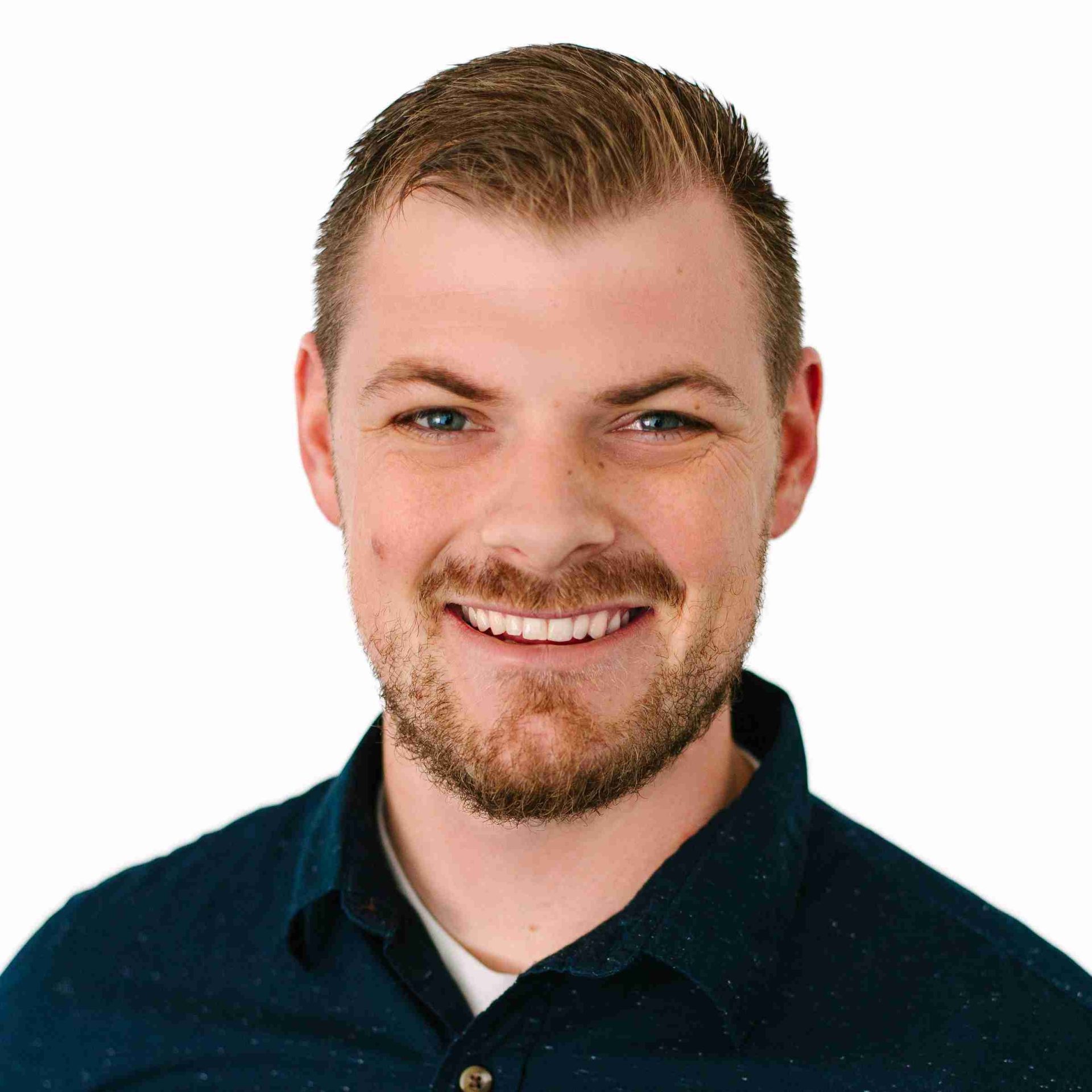
Matt Chalmers
DC, CCCN, CCSP


Dr. Matt Chalmers, a renowned health and wellness expert, discusses his holistic approach to health, emphasizing the importance of biochemistry over calories. He shared his experiences with ketamine and psychedelics in treating PTSD and addictions, noting significant positive outcomes. Chalmers highlights the role of testosterone in women’s health, countering the misconception that it is solely a male hormone. He also explains the importance of proper nutrition, including methylated B vitamins, in weight loss and overall health. Chalmers stresses the need for personalized treatment plans, integrating mental health and addressing the unique needs of each individual.
0:00 Dr. Matt Chalmers’ Introduction and Background
3:57 Psychedelics and Their Therapeutic Benefits
9:21 Holistic Health Approach and Mental Health Integration
20:26 GLP-1 Therapy and Its Proper Use
31:15 Understanding Calories and Metabolism
40:34 Women’s Health and Testosterone Therapy
50:36 Personal Insights and Approach to Health
50:48 Final Thoughts and Future Directions
Websites / Social Media:
Invigor Medical – www.invigormedical.com
Instagram – https://www.instagram.com/invigormedical/
Facebook – https://www.facebook.com/invigormedical1
TikTok – https://www.tiktok.com/@invigormedical
Dr. Chalmers:
pillarsofwellness.com
Matt Chalmers 0:00
The body doesn’t run on calories. The body was designed in a very specific way. When given the chemicals it was designed to have it runs really well.
Natalie 0:06
Dr Matt Chalmers is a renowned health and wellness expert specializing in holistic healing, long term wellness and nutrition through a root cause approach. He is the author of pillars of wellness. He works with professional athletes, business leaders and celebrities…
Matt Chalmers 0:21
I do the ketamine, and everyone’s like, you’re gonna have so much fun. You’re gonna see all this stuff. I saw nothing, and when I came down, I was horribly nauseous. The next morning, when I woke up, I was showing somebody how to use a pulse ox and my heart rate was in the 60s for the first time in 20 years. I was able to physically see objective proof that just with the one treatment, it had definitely changed my sympathetic output.
Natalie 0:44
What’s your approach for addressing the unique issues of women you know, coming to you with health issues?
Matt Chalmers 0:50
A lot of people don’t believe that women need testosterone because they feel it’s a men’s hormone, and that’s not accurate at all. Right? You want to fix a marriage…
Natalie 0:59
Hello and welcome to the Invigor Medical Podcast. My name is Natalie. I’m here with my lovely co host, Derek Berkey, pleasure your foof is going so good today with the hair. The hair is just, I’m living for it. It’s wonderful. And then our very own Jon in the house again, joining us for the second week in a row, which I’m very excited about. And we’re especially excited for our guest today. It’s been one of those, one of those episodes where the pre talk that we do quickly almost becomes the talk, because we realize there’s so many things…
Derek 1:30
like somebody hit record so we don’t miss anything.
Natalie 1:31
I know. I’m just like wait! This is the gold already. So feeling very excited about this conversation with none other than Dr Matt Chalmers. Dr Chalmers is a renowned health and wellness expert, specializing in holistic healing, long term wellness and nutrition, and is known for helping individuals achieve sustainable health through a root cause approach. He is the author of pillars of wellness. His expertise is in holistic health, weight loss and athlete wellness. He works with professional athletes, business leaders and celebrities, and is certified in chiropractic care, sports medicine and hormone therapy. Welcome to the show, Dr Chalmers, thank you for being with us today.
Thanks for having me. It’s gonna be I think it’d be lots of fun.
I think it is too. I’m feeling very stoked. In fact, I love when I have this problem of like, where do we even begin? But I feel like a good place to start is for you to tell us a little bit about your background and how you even got in this space that you’re in right now, speaking in like so many different areas of health and wellness.
Matt Chalmers 2:27
The funny thing is, a lot of it was just because I had problems with me. So I was a fat guy, I didn’t like it, and so I tried to figure out how to fix it. And going through fixing that, I had figured out all the hormone function and stuff like that. And then I started figuring out that a lot of the things that we were having problems with were very easy to solve, if you just look at the chemistry. And so I just ended up waking up at 4am for over a decade reading medical research. And so, I was able to figure out lots of little pieces that to help me and my patients. And so we just started building out on it, and it’s been lots of fun from there on out.
Natalie 3:02
So now you’re an author, but you also have a supplement line, is that right?
Matt Chalmers 3:08
Yeah. So a lot of the supplement, a lot of stuff that we build out, like how to fix, you know, Lhyme or Celiac or whatever is heavy nutrient dependent, because when you’re trying to fix biochemistry, you have to supply the biochemistry. So we started doing a lot of supplementation. And it’s kind of funny, because after I did my TED talk on cannabis, replacing opioids with cannabis, one of my buddies was giving me grief about it. He was like, Hey, you figured out the pain thing. If you can figure out the addiction part, you’ve got this thing solved! And so I started doing research on it, and I figured out. We figured out. I learned that we figured out how to fix addiction in the 60s with psychedelics and so I started a charity for veterans and first responders to break PTSD and addictions using psychedelics. And so all the profit from the supplement company, on the online supplement company goes to that charity.
Natalie 3:55
I love it. And let’s just dive right into a little bit into that, if you guys don’t mind, because I think that you know, for for some people who are constantly looking to the forefront of research and treatment options for physical and mental health, this is not new news, but for a lot of people, hearing something like psychedelics still very taboo, still kind of rooted in all of that doctrine from the 60s, it’s like, This is bad! It’s so awful. And there was so much from the government that came out to support all of that. And so maybe, can you talk a little bit about some of the research that’s out there, and what led you to believe that this is an avenue that you wanted to play in and support?
So a lot of the stuff that we started reading was research that was done on veterans like Delta Force, like, like, guys who’ve seen bad, bad stuff. And they would, they would take them through, and they would do a variety of different psychedelics, you know, lysergic acid or LSD. They would do Ayahuasca. They would do, you know, all the different psilocybin, the different varieties. And they were asking them afterwards, they were like, What did you think about it? And the stats on, like, you know, most emotional, most religious, most psychological, most like, everything, and how much better they felt afterwards, and there were never any fatalities. Like, it hasn’t, it doesn’t. It didn’t kill anybody. It didn’t really mess anybody up. Like, all the research afterwards was that it was, like, vastly positive. Like, the worst thing that was happening was these people just weren’t getting better, but the research shows 85% of the time you’ll break PTSD or, like, make it substantially better, addiction, stuff like that. Then I started going out and talking to the veterans who’d actually done it. And one of the guys, like, the stories are crazy, because you talk to them and you’re like, How bad was it? And they’re like, I know what all my guns taste like, if that means anything to you. Guys were like, every single day, I have to come up with a reason not to kill myself. Every single day. And then I was like, What happened? They’re like, so I did this series. It depending on the person, there’s a series varied a little bit, but all within like, three or four weeks, so all within a month, and they were like, and it was gone afterwards, like the problem was just gone. And one of the guys I talked to, I spoke about at an event, the veteran, came up to me afterwards, and he was like, hey. He was like, ketamine saved my life. And I was like, really? And he was like, Yeah. He goes, I had decided I was going to kill myself on a Saturday, and one of my platoon buddies went on a Wednesday, asked me to go do ketamine with him because he didn’t want to do it by himself. And so he leans in and he goes, he’s like, so I agreed, because what’s it gonna do? Kill me? And I was like, Huh? That’s the most uncomfortable joke I’ve ever heard. I don’t know how to respond to that. And so, but he was like, what happened was, when he did his first one, he goes, it didn’t fix me. He goes, but it took enough pressure off that I knew it was gonna help. He goes, imagine you’re laying on the ground with 10, 45 pound plates in your chest is when somebody comes and pulls two off. He’s like, you still feel the eight, but you know, those two just left. He was like, That’s he was like, that’s where I decided that there might be hope. And so he went through it. He told me he took him 11 series sessions, but he was like, now I’m fine. He’s like, I don’t have really any issues at all. So it’s a long term functional stuff. And so I’m one of those guys where part of my research is that I’m going to do it, because I don’t feel like I can speak to something with integrity unless I’ve done it. And so the guy who I work with down the street, I went in, I was like, Hey, go ahead and do mine. And he was like, All right, cool. What’s wrong with you? And I was like, nothing. I love my life. He was like, I need a reason. I was like, All right, anxiety. He’s like, Fine, cool. So let’s pause there for a second for the first thing I did, what I didn’t realize was that I actually had a bunch of PTSD. For 20 years, my heart rate has been in the 90s after like we I traced it back to a car wreck that I was in when I was a teenager. So my heart rates in the 90s. 90 beats a minute was my standard, okay? And then we figured out a way to fix COVID. And so we were working on COVID a lot, and so I got a lot of COVID, and so my heart was beating way too hard every night when I would lay down for, like, a year, year and a half, like, lay down like you’re, you know, it’s too hard. I did echoes. I did everything. Nobody could figure it out. Sorry. So now we fast forward, now you know that about my heart, we fast forward to back. I do the ketamine, and everyone’s like, you’re gonna have so much fun. You’re gonna see all this stuff. I saw nothing. And when I came down, I was horribly nauseous, like, like, my dad’s driving me home. I’m throwing up outside the car window. And I get home and I feel like I’ve got the flu, and I’m just like, I’m so weak and everything. I’m just like, this was a horrible idea. I can’t believe I did this. And I went and I laid down, and when I laid down to try to go to sleep, I was like the first time in 18 months. I couldn’t feel my heart beating when I laid down.
Wow.
Derek 8:28
Oh my gosh.
Matt Chalmers 8:28
The next morning, when I woke up, I was showing somebody how to use a pulse ox, my heart rate was in the 60s for the first time in 20 years.
Derek 8:34
That’s incredible.
Matt Chalmers 8:35
So we I have, I was able to physically see objective proof that just with the one treatment, it had definitely changed my sympathetic output. So it’s, I’m big, big into it. We did. We had a we had a group of doctors who were doing ayahuasca, and I went and did that with them, and it was unbelievable. We’ve got several veterans who’ve gone down to Peru and gone down to Mexico, and we’re working with them on that one. They’ve done ayahuasca, and they came back, and they were like, totally different people. Addictions gone, like, hold their whole world has been focused better forward. So it’s, it’s an unbelievable thing about removing just the plaque and the trash that’s in your head, when you lift all the neurotransmitters at once and let them come back down, you kind of fluff off all the trash that’s been set in the, what they call the default neural state. And so now you come back to this like, oh, I can think, and all the crazy, hardcore anxiety is gone. So it’s, it’s really, really, really beneficial. Like, it’s one of the things, because we talk about it like, oh well, no one’s shooting at me. Divorces, car wrecks, yeah, there’s so much COVID Like all that stress people can go get washed off of them, and it’s really, really important.
Yeah? Well, not just even if it’s not happening to you directly. I mean, if you just take a moment to look around in the world and take stock of what’s happening, I think that alone could be enough to send you into that, that alarm response in your nervous system.
Derek 9:57
Yeah. Get the parasympathetic nervous system running right and all of a sudden you do that enough times, the chronic stress builds up.
Natalie 10:03
Yeah. Just because we get used to it like we I think because it becomes so constant and it’s just our normal day in, day out, like to experience this kind of life, we get you get used to being that way. And it’s not until you have a moment like you said, to breathe and have all of that lifted that you’re finally like, oh my god, this is what it’s supposed to feel like.
Matt Chalmers 10:22
Well the biggest thing is, people don’t actually recognize the symptoms of long term stress, so celiac, IBS ulcers, those are all from sympathetic escape. So when you get stressed out, fight flight, you get stuck in sympathetic it shuts off parasympathetic, which is resting, digesting and so it tears up the gut. And so what we’ve actually seen to do, like when I’m working on ulcerative colitis or celiac, we can get the problems, the symptoms, to go away, but for it to stabilize and hold, we’ve got to do mental work with them to bring down that sympathetic chain. So either psychedelics, or we’ll do NLP work, or we’ll do whatever to break that sympathetic hold so their guts will actually heal. And so it’s a map that the mental piece of this is the biggest part of healthcare. We are avoiding it like crazy. And it’s, it’s a lot, there’s a lot of things we can do to make it better.
Derek 11:07
Yeah, you know, when I first recently, kind of dove into this rabbit hole to, I guess, to say Huberman, actually, here’s, here’s the, I think-this is the last time, I can’t remember the last time I brought up Huberman.
Natalie 11:21
Yeah, I know it’s been a while. Usually it’s like, we just have a clock running for how long it takes them to mention Huberman.
Jonathan Colson 11:26
You mentioned him. I heard it.
Natalie 11:28
[laughs]
Derek 11:29
But essentially, he’s done a whole series on a whole bunch of the of the psychedelics, and he’s had some of the leading experts on psychedelics on his podcast talking about it. And it was really eye opening to me. Of, just like, Okay, this is, you know, more than anything. It’s like, I just heard kind of, I think, and I think this is public perception. Is like, Okay, well, if you want to go on a trip and see rainbows and, you know, see things melting, like, that’s kind of the the public perception. And he really opened my eyes to it. Of, no, there’s, there’s a lot more behind this. And I guess the actual mechanisms of how it worked, the dissociative effect of some of the medications, but primarily how it basically, because it’s such a novel experience, it creates such a massive opportunity for neuroplasticity, for things to essentially get reshaped. And if you do that in the proper clinical setting, you know, where you’re not so much focusing on somebody’s face melting, you know, and you do it with like a blindfold or things along those lines, and you have someone guiding you through it. It can be an incredibly therapeutic means to get through things that you’ve been struggling. Obviously, in your experience, been struggling for years. So, yeah. I mean, it’s definitely very exciting.
Jonathan Colson 12:44
It’s even more interesting that you didn’t, you didn’t know you were struggling. I mean, you said, I haven’t, no, I have a beautiful life, right? Yeah, and then, and then, all of a sudden, this big change, and so that that’s even more eye opening than someone who has the issues, right?
Natalie 12:58
Yeah, I even had a friend who did a session, who was talking with me about it after the fact, and realized this years long issue that he had with the family member that could-they just never, ever could get along and like, had this memory and recollection of like, where it pinpointed in child as something that happened in a like, The family dynamic that created this animosity and separation and was able to heal that relationship through that awareness. I mean, that’s crazy when you really think about it. Years of therapy, and this friend is very smart, very self aware, very smart growth minded person, and couldn’t get through that thing. So I just think that the implications, you know, across a wide range, and also being non habit forming, like you said, as opposed to, you know, cannabis versus opioids. I mean, that’s, that’s, that’s a whole other topic.
Derek 13:50
And the number of treatments that you actually need, like, some oftentimes, it’s either one or two treatments, and then it lasts for such a long period of time. So, you know, it’s, uh, yeah, it’s a amazing therapy option, that’s, I’m super excited that is getting explored more, and that we’re able to kind of break into that, and that it’s becoming more commonly accepted. Obviously, we’re not there yet. It’s still what I believe it’s still legal in most states to to do this, but I think that Washington, I can’t remember if Washington is
Natalie 14:21
Washington now has-ketamine is legalized ketamine.
Matt Chalmers 14:24
Every states got ketamine.
Natalie 14:26
Okay, yeah, yeah.
Derek 14:28
And I know Oregon is very open. We’re located here in Washington. So, and you know, our neighbors down south are, what is it? Portland’s whole thing is, keep it weird. So they, they definitely, they definitely live up to that.
Natalie 14:46
Well and not to get too political. But I know there’s been, you know, a lot of you know when, when Oregon changed a lot in drug law. There was a huge lashing out of it, like they don’t care, and heroin addicts on the street or whatever. But I think it’s important to remember that when reform is needed. Sometimes there’s a lot of things that have to be undone first, while you rebuild the way things should look. And so that pendulum swings really far. So you know, to consider, I’m not saying it’s all well and good and whatever for the access to all the drugs, but just keep in mind, there are certain class four illegal substances that actually have really incredible implications for mental health, that we have to kind of start unwinding all of that in order for those things to be available to the people that need them. And then we can start reforming and restructuring a lot of these laws around what’s what’s actually dangerous compared to what’s not just a just a side thought.
Derek 15:37
Which I’m guessing is probably what your charity is targeted towards. I’m guessing it’s targeted towards a whole bunch of different things, but probably it’s targeted towards the legislative side of things as well.
Matt Chalmers 15:45
A little bit. But my whole thing is, if we, if I can get you ketamine and I can get you fixed, and we can walk you through NLP work, and so you can, like, after, sometimes afterwards, like, I had one of the guys call me after, like, his fourth or fifth session. He was like, all my anger is gone. And I was like, great. And he was like, no, no, no. He’s like, That’s what I used to drive me to get things done. I was like, All right, hold up. You’re good. Don’t freak out. And I was like, love is a much more powerful emotion than hate is. And I was like, let’s walk through this. What do you love about your job? And he told me. And I was like, What do you hate about it? He told me. I was like, delegate that out. Hire somebody to do that, and you do all the things you love. I talked to a couple months later. He was like, I’m making more money, and I love every day. And I was like, There you go. That’s what it is. So there’s a lot of things that are in it. So we’ll send these guys out. We’ll get them ketamine therapy. Some of these guys, like, who really need that, like, they fail ketamine or something else, and we need to step up to Ibogaine or something like that. We’ll send them down to Mexico. We’ll help them get that, that stuff worked out. And so that’s really what we’re doing. You know, the legislation thing that’ll change as soon as we figure out how to get the right money in the right places to make the people make the decisions. That’s how, that’s how decisions are made. Apparently, it doesn’t have to do with help health or wellness. So soon as people figure out who to pay off and the pharmaceutical groups, we’ll be fine. So until then, we’ll just make sure everybody gets fixed.
Natalie 17:03
I was gonna say, we know we talked about this in the opening of the intro, about like, holistic health, but like, can we spend a little bit of time talking about what that actually means? And me, personally, I love it, but I think a lot of people could kind of equate, like, holistic to that, like, woo, woo, pie in the sky, herbs and sage Hmmmm and all of that. So like, can you just take a moment to talk about, what is it? What does it mean to be a holistic health guy?
Matt Chalmers 17:31
So first of all, there is all that. Like, we welcome all the stuff. Well, holistic means we’re taking care of the entire person, the whole button. So like, I do lots and lots of like, for instance, when people come in, cholesterol levels have absolutely zero bearing on cardiovascular health. And so when I bring people in, the first thing I do is I’m like, Hey, will you guys CTA, which is a calcium CT with dye, but it shows any plaquing in the arteries. And we do an echocardiogram. It’s a video of the heart actually beating if you have a hole in your heart, myocarditis. You know, if you’re not pushing enough blood out, if you have leaky valves, we can see it all. And so I’m like, don’t take a lab test and guess, like, go look! Like, look for the plaquing. Like, with we have the test to do it. Look for the plaquing. Look to make sure your heart’s okay. And then I don’t care where your cholesterol levels stand. Outside of that, UCLA Medical did a study in 2009 that of 136,000 people who were in the hospital for a heart attack, and 75% of them had good or normal cholesterol levels. The problem with this is that if we’re looking at cholesterol levels, we’re gonna miss 75% of people who have a heart attack. So if you don’t start looking for plaque, we don’t start looking at the heart, we’re gonna have a lot of people who are gonna have issues that we we could have stopped, but we didn’t.
Natalie 18:41
Well there’s-you say the 2009 UCLA study makes you remember when we had Dr David Bilstrom on, which is one of my favorite conversations to date, autoimmune guy doing like, forefront of research. He was saying that, like most doctors in traditional medicine, is 17 years behind the research. And that number blew my mind, because I’m like, because that’s so tough, you know, and just more reason why you have to be your own advocate within your health care. Because it’s not to say that, you know, doctors are quacks, and we can’t trust them. It’s like they’re-research is so, so fast, and it I can only imagine what it must be like to be a medical professional, trying to stay at the forefront of that so but, but also, like, Wow, that’s crazy. And those, that’s information that we should really know, because you still hear it preached about cholesterol.
Derek 19:27
Well, I think you bring up a really good point, Natalie with the 17 year problem, right? But I think that there’s, there’s a lot that goes into that, right? It’s, it’s like, you can, you can discover this thing and have the Eureka, but then how do you actually disseminate that information out to the public, right?
Jonathan Colson 19:42
There’s testing that has to happen.
Derek 19:43
There’s testing that has to happen. They have to make sure it’s like, all these things. Then you have to deal with the bureaucracy of like, getting things FDA approved. The other piece of it too is oftentimes, well, there’s money, but oftentimes that the experts that find out these things and are the most knowledgeable on these things, the way that, if presented, is like, this may have an effect. And, you know, the press doesn’t want to hear, this may have an effect. They want to hear, This is the next revolution for obesity. It’s like, they don’t want they want to hear. May they want to hear. This is absolutely the real deal. And so it’s so hard, because really what ends up happening, and I think, like, one example of this, a really good example of this, is honestly, GLP-1’s. And I’m sure that you would agree with this. GLP-1’s have been around for a very long time, but it’s just now, recently, they’ve gained so much momentum and kind of reached critical mass that now it’s like, oh, this is, this is for everyone, and now it’s blown up. But yeah, I mean, how long have they been around? Maybe, you know, Dr Chalmers, like over 20 years I think.
Matt Chalmers 20:14
It’s been around for a very long time. We’ve been using peptides for a long, long time. So it’s been at least 20. we’ve known glucagon function for a long time. So, yeah, you know, that’s-which is where the GLP’s are based around. So, yeah, it’s been a long time, but people are just not figuring out how it works.
Derek 20:56
Yeah. Well, you know, maybe that’s a good segue. Yeah. I mean, because before we started, you talked about, you know, that one of the things that really rubs you the wrong way is when you were running across a patient that is taking GLP-1’s in the wrong way, which I think a lot of people listening might not realize that there is a wrong way to take semaglutide. There is a wrong way to take a GLP-1 agonist, so maybe we can dive into that.
Matt Chalmers 21:23
Yeah, so what we have to understand is actually what’s going on. So which actually go does? It’s not that you’re eating less, it’s we’re activating glucagon receptors. So when we activate glucagon receptors, certain things happen. One of the things is that we shut off a lot of the insulin functionality in the intestine, so you’re not bringing the sugar from your food through the intestine wall anymore. So that’s one thing, but the biggest thing is that when your body starts to create its own blood sugar, which is the purpose of this, is that it has to make it out of fat. That’s how we burn the fat, yay. But it also uses protein, the protein skeleton, to create the glucose. Well, if you’re not consuming enough protein, or you’re not taking collagen, or you’re not getting the right amount in, it will tear apart your muscle tissues. In order to provide the body the blood sugar, it has to have to run the body. So that’s where a lot of this problem comes in, because if you don’t understand that lipolytic pathway, that gluconeogenesis function, these patients are going to lose all this muscle tissue. And the research is coming out showing 40 to 50% of all the weight that is lost is muscle mass. But the problem is, is that your muscles are where your mitochondria are, that’s where your actual metabolism lives. And most people don’t have very much muscle mass they can give away. So like, I keep seeing patients who come in who are having trouble walking because they lost 3-5% of their muscle mass. And the vast majority of people don’t go to the gym and do really big, deep squats all the time, and so all their muscle mass is based around standing off the toilet or standing off of a chair and walking away. You lose 3-5% your muscle mass. You can’t do that very well anymore. Yeah, so we’ve got to protect that with hormones like testosterone, exercise and protein function.
Natalie 22:56
So what would your recommendation be, then, for people? I mean, what do you wish was happening? Let’s say that if you paint the perfect picture, you know, because GLP-1’s semaglutide, can be really helpful, impactful medications for people that are obese or need to lose a fair amount of weight, right? So they come into the office to the doctor, and instead of just saying, Here you go, take this, you’re gonna lose weight. Like, what’s, what’s my wave a magic wand. This is what good treatment looks like through taking these therapies and in a way that you come at the other side actually healthier, not just weighing less.
Matt Chalmers 23:29
So the first thing, like, when I run people through it, the first thing I’ll do is I’ll explain to them how the diet actually works, like how your metabolism actually works. It’s not around calories, it’s around chemistry. So I’ll teach them how to eat, which is most of the time, they’re like, Oh, I would have done this anyway. And then we make sure their testosterone levels are where they’re supposed to be, so their body can heal, regenerate and repair, which is the purpose of testosterone. And then we make sure they’re doing some type of exercise to balance any any muscle loss they might start to have. Then we increase either if they’re like, Hey, I’m not hungry now and I’m trying to fast, fantastic. Same protocol for fasting. We make sure they have their methylated B vitamins. We make sure they have their CO-Q 10, their omega three fatty acids. We make sure they’re taking their collagen. Because not only does your body need the the sugars and the fats and the proteins, it has to have all the micronutrients, all the B vitamins, all the other things that are in our food. So if we’re just not going to eat or we’re going to eat a lot less, we have to recognize that and support the body with vitamins and minerals and all the other other things your body requires to run. Otherwise we start having issues. Gallstones are oftentimes a methylated B6 issue. You don’t have enough methylated B6 the bile salts follow the suspension, and we get gallstones. So the easy way to fix that is just give them methylated B vitamins. So that’s the protocol that we will usually use with patients. And then we’ve had phenomenal success with GLP -1’s. And afterwards, when we’re done, they know how to eat now, and so they’re healthier. They still get their pizzas and their ice creams and stuff like that, but now they’re eating stuff that’s healthier for them.
Natalie 24:53
Retrained them.
Jonathan Colson 24:54
Okay, what is the what is the method then as far as testosterone.
Natalie 24:58
Oh, the math. I thought you said…
Jonathan Colson 24:59
No, no. The method, the method, as far as, like, keeping testosterone up with your patients, what do you do with that? Is that, from a more nutritional and supplemental side, or, or, I mean, are some people being prescribed testosterone?
Matt Chalmers 25:11
Oh no, we’re usually just giving people testosterone. What we typically see is the vast majority of people that I end up seeing have high stress. When you have high stress, it shuts off testosterone production. You go into what’s called cortisol steel. And so it’s like, look, I would love to fix your mind, and I’d love to fix your nutrients, but we don’t have time for that, because that seems happening in a long time. Yeah? So we’ll just give them testosterone. With men and women.
Natalie 25:33
I was gonna say two things came up for me when you when you said all of that, the first one being methylated B vitamins. Could you take a moment to explain to listeners? Because I think a lot of people don’t understand, like, people are like, Oh yeah, B vitamins, but what’s methylated and so, and it’s really important distinction. So can you take a moment to explain what that means and why people need to pay attention to that difference?
Matt Chalmers 25:56
Yeah. So a lot of people have either due to stress or due to genetic deletions, MTHFR, MTTR, COMT. There’s a variety of them. Your body doesn’t fully make the B vitamins. So you can take all the precursor B vitamins, you can eat all the nutrition, you can eat all the food, but your body can’t actually make, or make enough of the actual in chain B vitamin, the one that actually turns the key and actually makes everything work in the body. And so we have a lot of fertility issues from it. We have gallstone issues from it. We have all kinds of problems from it, like we also have a lot of mental stuff from it, and adrenal issues from it. And so what’s funny is that the vast majority of methylation issues, if you just take a methylated B vitamin and a multi-V, you’re fine. And people come in all the time with all these horrible issues. And I’m like, Are you taking your Bs? And they’re like, No. And we get we sometimes you have to clean the gut up and kill the parasites, but you give them the B vitamins back, and all of a sudden they’re just like, oh my gosh, everything my body’s working every I feel so much better. Everything’s great. I’m like, Yeah, that’s-the body was designed in a very specific way. If you give the chemicals it was designed to have it runs really well.
Derek 27:01
I think that’s the thing. I think that’s a big reason why, you know, the the compounding pharmacies that we use to for our semaglutide patients, and, you know, GLP-1 patients, they’re oftentimes compounded with vitamin B 12 and vitamin b6 right? And so to me, that makes total sense. I was thinking about some other really common issues. And kind of like our general approach here at Invigor medical, we have a process that where we try to inform the patients of like, Hey, this is what you need to do to make sure that you’re taking this correctly. Big part of that is, like, you already said, hitting your protein. Another big side effect that I’ve that I’ve heard and seen is a lot of them are GI related, right? And I think that oftentimes those can be people that want to continue taking or eating their regular diet, or what they’ve eaten before, right? And now, all of a sudden, you know, their digestional tract isn’t working in the same way, and they’re not taking into consideration how much fiber they actually need to intake to ensure that things take regular down there. And so they either get super constipated or have really bad diarrhea. I don’t know if you have any good tips for our patients that are that are going through those.
Matt Chalmers 28:09
Oh yeah. So the biggest one is that you’ve got to make sure your water is going in, because one of the things I see is, oh, I’m going to consume less, but they consume less fluid. So get your water in, and then the things that make your bowel run are, you know, oil. So your your good omega3 fatty acid oils, your omega your avocado oil, your olive oil, that sort of stuff, roughage, so thats your fiber comment, the water, probiotics are a really, really big one. So like, we’ll use, if we can get a hold of, like, raw goat milk kefir, that’s one of my favorite things to use, fermented foods, or my favorite ones, or you can just take the probiotics, like the like the supplement probiotics, that works too. And then high quality salt. The adrenal medulla is responsible for regulating fluid levels in the bowel. And so if you’re not bringing enough salt in to feed the adrenal medulla, sometimes we have issues with water regulation in the bowel. And so those are the things we start with, and make sure everybody kind of has those things moving. And typically, we’re really, really good on the vast majority of these people not having too many issues with with bowel. You can also take magnesium. Magnesium is a really, really natural, good, smooth muscle relaxer. It allows the bowel to purge itself a lot easier. So if you start noticing that, hey, I’m not flowing bowel wise like I want to while you’re doing this, increase that magnesium, and magnesium is super beneficial to the body, so it’s a great way to just kind of add some stuff back in to get it to loosen up,
Natalie 29:32
And magnesium right before bed, can help sleep as well, right?
Matt Chalmers 29:36
It can, yeah.
Natalie 29:38
But now I’m curious because you mentioned salt. What’s your favorite salt?
Matt Chalmers 29:41
So we use a pink salt. I So the biggest thing is that we have to make sure that it’s a clean salt. It’s not from rock. It’s a crystalline salt. There’s a there’s a PRL makes one that’s pink salt from it’s it’s ocean, sea with red clay in it. That one’s one of my favorites. Celtic salts, pretty solid. But. I’ll do some Himalayan salts, as long as, like I said, it’s crystalline, not rock. But those are typically, yet white. Morton Salt is probably the worst possible thing you can put in your body.
Derek 30:08
Well and it tastes horrible, too. Like, that’s the other coming, just, just coming from a culinary perspective, yeah. Like me, personally, I’m not going super deep into the salt, but kosher salt, for me is, is what I personally use, just because it’s easy to access and I what I personally like.
Natalie 30:24
I’m a pink salt for sure.
Derek 30:26
Yeah
Natalie 30:26
Yeah. Well, I was just curious.
Matt Chalmers 30:28
Yeah. We found some black salt in Montana that was amazing, but they didn’t have enough to, like, bring back to the office, and so I had to just eat it myself.
Natalie 30:36
I’ve had some gray salt too. My mom is super into salt, and sometimes she’ll send me, like, these salt blends. My mom’s very Woo, and I love her for it. And she’ll like, send me, like these, these salt blends, and they’re delicious. And I know whatever my mom’s sending me is, like, top tier, high quality. She’s the one who got me methylated B vitamins, you know, because I didn’t even, I didn’t know about that. Thanks mom again.
Derek 30:57
There’s actually, I think, right across your office in Walla. Walla, there’s that, you know that food place?
Natalie 31:03
Oh yeah, litle shop? Yeah.
Derek 31:04
They have black salt there.
Natalie 31:06
Huh! What do you know? I guess I need to go shopping more often when I’m in Walla Walla.
Derek 31:17
Go next time you have a chance. You can walk over that way.
Natalie 31:22
There was something earlier though I was going to say, because I when you were talking earlier and you said quite a few things, you said one thing that I wanted to ask you about. We were talking about diet and what people are eating. You said, because it’s not about calories, it’s about chemistry. I want you to say more about that, because that that perked up my ears when you were going on the long thing, because we were just having conversations last week about calories. Yeah, it’s hot button topic.
Jonathan Colson 31:36
Those are fighting words to some people, right? Yeah.
Natalie 31:38
Hey, I hope you’re enjoying today’s podcast. I just wanted to take a quick break, because if you’re listening, you probably know what we do here at Invigor Medical Podcast, but maybe not what we do at invigormedical.com. So let me introduce us. At Invigor we provide prescription strength treatments and peptides for weight loss, sexual health and lifestyle optimization. Every treatment plan is carefully prescribed by licensed doctors and sourced from legitimate pharmacies. You don’t ever need to buy questionable research chemicals again. And bonus, as a podcast listener, you get a 10% discount on your first treatment plan with code PODCAST10 at invigormedical.com. Now let’s get back to today’s episode.
It does it’s good, because we do love a good rumble. I think that it’s easy to get in conversations where it’s just kind of like, oh yeah, we all agree. Or we’re gonna pretend we agree, because it’s a podcast and we think we should. But I love like whenever a guest, like, butts up against something that we say and is like, no, and we’re like, oh, we disagree, or whatever. I think it’s healthy.
Jonathan Colson 32:34
If you say the wrong things about calories, then Layne Norton’s gonna attack you too.
Derek 32:37
Oh my gosh, that’s gonna come after us. So let’s get ready to rumble.
Natalie 32:42
Okay, tell us. Calories, not chemistry or whatever you were saying.
Matt Chalmers 32:45
So what you have to understand is that the body doesn’t run on calories. It runs on actual what’s called ATP, or density, triphosphate. So when you start looking to the metabolic chemistry, you can’t find chemistry calories anywhere. So when I was first started doing this. I was I was I was a fat guy. I was doing all the calorie stuff. I was doing the calorie restriction, and I wasn’t losing any weight. I wasn’t losing any fat, my workouts were crap. I was exhausted. It was a grouchy guy. And so when I finally figured out, like glycemic function and how your body actually takes food that comes in and turns into sugar, and the easy metabolic pathway that takes sugar into fat storage via insulin. I started kind of figuring out where we were going with it. And the problems that I had-and this is what I talk about with calories with people. I’m like, okay, so if you’re going to tell me that calories in, calories out, it’s a thing, you have to tell me that you believe that protein, fat and sugar all work exactly the same way in the body, because they’re all worth four calories. And so the problem is, is that protein…
Derek 33:46
Isn’t, isn’t fat worth nine?
Jonathan Colson 33:47
Nine, yeah, nine, four, and four.
Matt Chalmers 33:49
No, I’m sorry. I’m sorry. Protein, protein, protein carbohydrate, so protein, sugar and fiber. Those three. Sorry, those are, those are the three, because there’s a direct path for our sugar into fat, but there’s no path for for fiber to fat, because it just it doesn’t go it doesn’t get absorbed. You eat it, and it just gets pooped out. So and then, when we have protein, protein actually activates a completely different hormone path, which is glucagon, which burns fat. And so if you’re going to tell me that the thing that is raises insulin levels, that stores things as fat, and the thing that raises glucagon, which burns fat, they’re the same level, that’s That’s crazy to begin with. And then you start looking at like, don’t we all know somebody who can eat whatever they want, and they never gain any weight. Those are called ectomorphs, because everybody has that person they know they can eat that you eat five times what I do, and you never gain an ounce. Those people. So when you start figuring out what it is, what you’re eating activates hormones. And so your storage hormone insulin is gonna be activated by sugars or carbohydrates, and glucagon can be activated more by proteins and amino acids. And so once you start looking at the people who are like the big fat guys, who can never lose weight and they go keto? All of a sudden they lose all this weight. It’s because you’ve radically restricted all the insulin function, and all their body has is glucagon to burn fat, and they’re eating all this protein so it doesn’t damage their muscle tissues. And so that’s actually what’s going on, is that when you restrict the insulin function, all of a sudden, now the body can shift over. Instead of burning sugar for fuel, it burns fat for fuel. And that’s how that whole thing works, which is also how you fix diabetes. But that’s, that’s, I think, the reason why people don’t know about it, because as long as you move yourself from exogenous sugar, where you’re eating the sugar, to endogenous sugar, rebound, making the sugar for you, yes, it’ll reset your insulin receptor sites, and you can then kind of calm down and out of insulin by produces, regain control of that. And every time we’ve done it with type two diabetes, we fix it.
Natalie 35:42
Right. That’s the crazy part. Can you I was gonna say, you said ectomorph, and I’ve heard this before. I don’t know very much about it, and I’d be curious if you could just do a brief description. You’re talking about different body types, and it’s the way they process food, calories, the chemistry of it. So could you take a minute to explain what that is?
Matt Chalmers 35:59
Yeah, so the somatotype chart is broken down into and it’s hard because it’s not three places. It’s a spectrum where you’re like, way over here, and then in the middle ish, and then way over here. So the ectomorphs guys are the ones who have really hard time gaining any type of weight, like, they can eat whatever they want to. They never gain an ounce. And people are like, that sounds amazing. It’s not for the guys, because they can’t ever gain muscle mass. And so there’s little scrawny guys all the time, they’re like, I eat everything. I can’t gain weight. And so you’ve got those guys, and then you got the guys in the middle. Now the mesomorphs, the guys in the middle, these are the ones where the calories in, calories out thing works really well for because they’re balanced in how their body handles insulin and glucagon. So if you restrict fuel sources at all, they will burn the sugar until they’re out of sugar, then they’ll immediately switch over and start burning fat to get them balanced. This is why it was difficult, because nobody in the diet industry ever looked at the ectomorphs, because they didn’t come in so they didn’t have any failures with those guys, the ectomorphs, they cut their calories back, or just their fuel source in general, and all of a sudden they lost weight. The endomorphs, which is the category that I am in over on the other side that store really well, like, I get big easy, like, I my body loves insulin, not as sensitive to glucagon, and so we have a really hard time losing weight. If you go by calories, you’re never going to get it and start understanding the chemistry. You’re like, Oh, I’ll eat a lot of protein and a little bit of fat and no sugars, and my body will then melt the fat that’s on me, and I’ll be where I’m supposed to be. And so that’s where, that’s how you have to figure out where you are in the somatotype chart. Because, for instance, like some of the guys who can’t gain weight, we use natural sugars, but we give them giant amounts of sugar, high high high glycemic function, and they actually start putting mass on. The exact opposite for the guys who can’t lose weight. We strip all the insulin out of their diet, and they start losing weight like crazy. So that’s how those two systems work.
Natalie 37:48
That’s wild. And I think it could also give a little bit of hope for people that feel like they you know, that nothing’s working. And I think that it’s easy to kind of get in the mindset of like, there’s one right path for, you know to achieve the health and wellness that you want, which is not true, because everybody’s different, right?
Derek 38:05
Yeah, well, and kind of, as you were going through that, one of the there’s a influencer that I really like. His name is Jeff Nippard. He he did a whole video that was specifically dedicated to the question, Is obesity a choice? And like, I think that it’s definitely very controversial. But one of the big things that he brought up is that different people, they took, they took, I don’t know, 1000 people. He pulls up the actual study, and I don’t know the the actual study right off the bat, but essentially, the gist of it, they took 1000 people, and they gave them each a set amount of calories every day, so something like either 200 extra calories every day, and some people gained weight, and some people lost weight. And so, you know, it’s kind of like, well, how is that possible if they’re all in the same caloric deficit, or, you know, in the same number, eating, consuming the same number of calories, and a big part of that is non exercise, thermogenesis, right, of the jittering and the moving. I was going to ask, like, how much does that play into, how much someone gains weight or loses weight? Because I know me, if I’m not thinking about it, my knee is always wiggling up and down, and, you know, and and you can, like, when I was a kid, I was the type of kid that could eat whatever they wanted and not hardly gain any weight. So I’d be curious to hear what your thoughts are on that.
Matt Chalmers 39:27
So motion is obviously going to increase fuel need, and so the higher the fuel need, the higher the fuel we create. So like, one of the things I tell people is that, you know, if you’re trying to lose the fat and you’re in the you know, you’re stripped everything out. If you’ll decrease the amount of fat that you consume, just high protein and lower fat, you’ll lose fat faster, because your body has to run on fat throughout the day. So if you’re if you’re active, like having to go run in the morning, I’m gonna lift to the afternoon, you’re going to lose a lot more because your body’s requiring more fuel to function. So if you’re sitting there in your jittery or your legs always moving where you’re just always kind of like ready to go, like those things, while they have their negative side, they also will require more fuel to function. Now here’s the thing about that, yes, they require more ATP, but they’re also going to require more, you know, methylated B vitamins, more CO Q, 10, because that’s the way your body produces the energy. And so remember, it’s not just proteins, fats and carbohydrates, it’s also all the other micronutrients. So, yeah, you can eat a lot more, but you need to fuel that thing with better vitamin mineral nutrition.
Natalie 40:30
I love it. We are coming close to running out of time and not like super on the edge, but I wanted to make sure to have an opportunity to talk about women’s health, because I feel like women’s health gets the short end of the stick a lot of times. I mean, it really wasn’t that that long ago that I heard the stats on research done for men’s health compared to women’s and it’s…
Matt Chalmers 40:50
It’s abysmal.
Natalie 40:50
…shocking. It’s not just shocking. It’s kind of, it’s appalling, honestly, how little research there is for women’s health. So I’m just curious, like, what’s your approach for addressing the unique issues of women you know, coming to you with health issues.
Matt Chalmers 41:05
So first of all, and this gets into the way that things are done in labs and things like that. So the problem we get into, especially for a little bit older women, 35 and above, is the hormone tangles that they’re trying to hold on, and be like, this is your healthy? That’s not right, because if you’re looking at a woman who’s 18 to 35 those are her prime years for producing children, so her estrogen, progesterone levels have to be higher to run the baby making function of all the organs. Once you’re past that point, the amount of estrogen and progesterone you require is radically less. So you have to make sure that you understand that, because I see women come in all the time who are on estrogen and progesterone to get rid of their issues. And I’m like, the problem is, the research is all the cancer happens from giving estrogen progesterone, you can get hot flashes, niight sweats and vaginal dryness to go away if you give them testosterone. Testosterone naturally converts into through the five alpha reductase, into estrogen. So when we have women come in who are low T, low energy, low libido, low orgasm, function, mental stuff, we sit down, we’re like, okay, you’re low T, they also have hot flashes, nigth sweats and vaginall dryness. We’ll give them testosterone, and then 95% of the time we get their levels figured out with just with testosterone, all the hot flashes, night sweats and vaginal dryness are gone because the testosterone converts naturally into estrogen. So that’s one of the big things I see people missing with women’s health. The other thing is, a lot of people don’t believe that women need testosterone because they feel it’s a men’s hormone and that’s not accurate at all, right? You want to fix a marriage. You take a woman who is stressed out, no energy, you know, and she’s just tired all the time, and she’s not going to have sex.
Natalie 42:43
No sex drive, yeah.
Matt Chalmers 42:44
Give her the testosterone. Here’s some of the incredible things: One, she gets more energy, because muscle tissues regenerate, so like that, she starts losing a little bit of fat a lot easier, so she feels sexier. But the big thing is, is that we get the energy back, we get the libido back, and testosterone increases blood flow to the uterus, to the genitals. And so you get more nerve function, more blood flow to the clitoris, so it swells back up, and you get really, really good orgasm function so now all of a sudden, she wants to have sex. And now, since the guy’s having the sex that he wants, he feels fulfilled, and he feels loved and respected. And so they can start, you know, bringing that thing back together. Because as soon as I work with couples, as soon as I’m like, how’s the sex? They’re like, it’s so much better. I hand the guy, I’m like, have you read The Five Love Languages book? I immediately hand that to him, and he’s like, what’s this? I’m like, You’re gonna go home and you’re both gonna read that. Figure out what she is, because if all you gotta do is tell her her hair is pretty and that means the same thing to her sex means to you, your relationship’s gonna be a whole lot better.
Natalie 43:40
Dr. Chalmers the holistic health doctor and marriage coach. [laughs]
Jonathan Colson 43:45
Fixing marriages, yeah.
Natalie 43:46
You just need, like, a strip mall where, like, you just jump from office to office for all the little things you take care of. [laughing]
Derek 43:52
Like a Bugs Bunny kind of a thing, where, like, all of a sudden he puts on another outfit.
Jonathan Colson 43:55
Well, they say the top reasons for divorce are sex and money, right?
Natalie 43:58
Yeah, it’s true. No, and I mean it make sense to me. And I think, you know, testosterone is just one of those things that you naturally equate with, with masculine, with with man. And so I think that it’s easy for like, to forget, as a woman, like, oh yeah, testosterone is also an important hormone function with me. I mean, do you have a lot of like response when from women patients, when you’re like, Yeah, we need testosterone that they’re like, no. Like, I don’t there. You start thinking, like, I’m gonna get hair on my face and on my chest, right? Like, do you have a lot of pushback?
Matt Chalmers 44:29
We have a lot of questions. And because the nice thing about it is, when I started doing this 10 years ago, there were lots of questions, and now people are more I’ve heard of that. I want to try it. But what you mentioned, that’s one of the things I always start with women on, is like, okay, women on is like, Okay, here’s the thing, like, we can do this and it’s super safe, and the vast majority of people are going to have no issues. But the range that we see effective for women is 80 to 250 so what we always want to do is we want to start low, and I tell them, we have this spreadsheet we give them. I’m like, if you notice more hair in your brush, get ahold of us. Let’s make sure we when we stop something before it gets big. We can use the GHK peptide, the copper peptides. We can decrease the dose. We can use red light therapy. There’s, you know, maybe you’ve got stress you’re aware of. We can start calming those things down. But a lot of times, the vast majority of the time, we haven’t seen in years of working with it. We haven’t seen any issues, as long as we keep the range, like I said, between 80 and, you know, 250 the 250 is on the higher end for women who just don’t feel it. But that’s the other thing. If you talk to your patients, you go, how do you feel? And they’re like, Eh, we can move you up. We can move you down to make sure that you know you’re really where everything’s supposed to be. But that’s, that’s the big thing, is that, you know, as long as we get the women where they where they are comfortable, and you make sure that they understand what’s going on and what to watch for. It’s super safe. And the vast majority of women we have we’re working with, they tell all their friends and all their friends come in too because, yeah, right. Like, I want to feel younger. I want to have more sex.
Natalie 45:50
Because it feels good to feel better, right? And enjoy sex. And like, yeah, be able to orgasm and have a great time with your partner. Those are all great things.
Jonathan Colson 45:57
So now, what was this, uh, peptide you mentioned, though, that GHK?
Matt Chalmers 46:01
So, so the GHK copper peptide, what that exit does is, so the reason we lose our hair, there’s other reasons. Stress is a big one, but basically it’s an oxygen issue. And so Dihydrotestosterone is one of the things that causes hair loss, male pattern baldness. And so it does that by choking off the oxygen to the scalp. Well, that these peptides can, the copper peptides can help increase dilated blood vessels and increase blood flow to the scalp as the rest of them, as well as the rest of the body. And so if we start noticing any that we’ll start using those peptides. And the research on it is unbelievable. Like, like, there’s like, I keep trying to find, like, how does this hurt you? Like, because I know everything good can be bad, and I can’t, I haven’t found the way it’s hurting people yet, but that one’s really good. We’ll mix that with like erythritol and things like that that also dilate blood vessels and help the blood vessel function. Nano kinase is another big one. Quinine, we can use.
Derek 46:55
Do you use Tadalafil. I’ve heard, I’ve heard is been kind of in that realm as well, because it has the dilater effect.
Matt Chalmers 47:06
Some of that stuff you can like, some of the like, the the anti DHT stuff, we do see some sexual side effects with that, like finasteride and stuff like that. Yeah, we’ve got to be a little bit careful with that stuff. So we use that last but we haven’t had to use it very often. It’s good. So, yeah, it’s one of those things. Like, so I’m doing some stuff, and I keep telling people I’m, like, I have zero desire to ever have hair. Like, if I could figure out how to have the rest of my hair fall out so I don’t have to shave my head anymore. But I lost mine when I was 26 before I started doing any of this stuff. But so, like, I’m doing some of that stuff and, like, if I, if mine comes back at all, then we’ve figured out how to fix hair growth. We haven’t had any real issues with any of the women.
Jonathan Colson 47:49
We used to, we used to joke that the guys that have no hair probably have a higher sex drive as well.
Natalie 47:56
Yeah, right. I’ve heard that before too, that, like, because high levels of testosterone…
Jonathan Colson 48:00
Well DHT, right? DHT is really related to sex drive, right? But anyway, so I know you off there.
Matt Chalmers 48:05
Yeah, the androgens are great. Yeah, the DHT is fantastic for all of that stuff. So yeah, the sex drive function is pretty solid, but it’s a it is a big-like when you start looking at the DHT issues, that’s where we start having issues with prostate issues and stuff like that as well. So we want to maintain and manage your DHT, yeah, so that’s, that’s, you know, when we start talking about androgen levels. So, like, a lot of guys will come in and they’ll be like, I want to do more tests, because I want to get bigger. And I’m like, we have to worry about androgens. Like, we want to do wind stroll and anavar and that type of stuff. Like, we can roll that in, like we can roll deck in for the guys, but especially for the women, you don’t want too many, too many androgens. So anavar and wind are a little bit risky. So what we’ll do is we’ll be like, what about the growth hormone peptides? Like, have you done any of the Semorelin because if we want more size, we want more regeneration, more healing, we can bring in, we can keep our test levels lower, bring in the growth hormone stuff, and get massive amounts of healing, regeneration from that. But we don’t have any androgen function. And so for a lot of women, we’ll bring that in, because it’s very anti aging as well. And so they get the muscle tone they want, they get the fat loss they want, but they don’t have to worry about losing their hair.
Derek 49:09
Yeah.
Natalie 49:09
I love it. It’s so funny as you’re talking. I’m like, you know so much about so much. I’m fascinated by all these topics that you’re arranging. And I just had this moment of being like, I wonder what he was like as a little kid. Like, were you just like, that, ever curious kid that’s just, like, constantly in everything and just like, chit chat, or, like, what? Maybe a weird question. But like, because you have to have a certain zest for knowledge to gain all of this knowledge that you have. So like, is it? Did you, like, just discover one day that you were like, Man, this is it for me, and I can’t wait to learn more. Or were you always this kid who was curious and wanted to learn and know more?
Matt Chalmers 49:46
I always like I I’ve always been irritated by puzzles, like, I like them. But when, like, when I, when I when I don’t understand something, I’m like, what I don’t I don’t get it. And it’s funny because, like, the calories thing, like everything I’m like, I don’t understand. Like. You tell me this how the system works. It doesn’t make any sense to me. And so I’ll just start looking into it. I’m like, oh, that’s because you were telling me wrong things. That’s that’s what it was. And so it’s funny, because, like, my 12 year old is me, and so I get to it’s funny. He’ll say stuff all the time. And I’m like, I gotta call my parents and apologize 100% me, yeah, and he’ll argue stuff. And I’m like, All right. Look, I’d be like, All right. Look, you’re right, right. Just it doesn’t matter. Like, he was like, explain the mask thing to me, and I’m like, because he had to wear a mask at school. And I’m like, Oh, dude, you asked the wrong guy to put logic behind that. And he was like, I’m not gonna do it doesn’t make any sense. It’s stupid. And I was like, yeah, so now you get to learn what authoritarian is.
Derek 50:44
Totally different lesson kid.
Matt Chalmers 50:45
Yeah. So no, it’s-that was, that was who I was as a kid. I was always asking the questions, and if you couldn’t explain it, I was like, well, this doesn’t make any sense.
Natalie 50:53
Yeah, you needed it to make sense to you, not just, like, taking an answer and like, yeah, that works. You needed to make sense. And isn’t it funny when you, when you’re given a child that mirrors, it’s like a blessing and a curse, right? Because you’re just like, Oh my God, and then you make the calls to mom and dad. So sorry about that, but totally off topic a little bit. But I mean, like, what a cool opportunity is for healing and, like, nurturing the child in you when you get because I have one of those, and mine’s also 12, she’s the same, and man, it is a mirror that I have often not wanted to look into, but also really healing. I mean, has that been your experience too?
Matt Chalmers 51:27
Oh, absolutely. Well, it’s funny because, like, with the neuro linguistic programming education I have, like, it’s a lot easier to then see the issue, like, Oh, you’re high kinesthetic All right, I need to deal with you in this way. And since I’ve been getting that information and we’ve changed the way we communicate, and it’s been helping tremendously.
Natalie 51:44
I’m gonna need you to send me that information.
Derek 51:46
Yeah me too.
Natalie 51:47
Well just send it to us and we’ll put the link in the comments for the podcast.
Jonathan Colson 51:50
We’re going to have to do a second podcast is what we’re going to have to do.
Natalie 51:52
That’s what I said when westarted!
Derek 51:53
Or maybe have us on your podcast. That’d be great.
Jonathan Colson 51:56
There’s a lot of directions I wanted to go, but I was like, this is it’ll take me an hour.
Natalie 52:01
Yeah. No, it’s, it’s, I mean, this time has gone by so fast which we knew within the first 60 seconds of talking with you that it was going to be like that. So we just first and foremost. Thank you for making the time. Thank you for sharing all of your knowledge and expertise and mostly your passion, like I’m sure that people watching and listening to the episode can feel the passion that you have for the work that you do, and that’s my favorite, because it’s just contagious, and I think that it spurs other people to go on and learn and do better as well. So thank you for that, and I hope that you will come back on with us again. Pretty please.
Jonathan Colson 52:38
I feel, I feel good for your clients, by the way. You know? It’s nice to have someone like you that people can go to, because it’s, you know you care. We can tell, you know, you actually care about the person, but but the direction you go with it is, it’s, it’s a breath of fresh air compared to most.
Derek 52:57
Well and especially in traditional medicine.
Natalie 52:59
That’s what I was gonna say, I think that the medical industry needs more people like you who don’t just accept the status quo, right? Kind of like your thing as a kid, like, I need you to make it make sense for me. Yeah, right. Like, that’s good, because that then we’re pushing boundaries and and setting new precedents for what health care means and looks like. And you know, talking about the pendulum swinging when performing change is needed. Like, do we ever need it in medicine? Seriously, seriously, and living in an age where you do need to be your own advocate, but there’s so much information out there, and then it is hard to find a doctor that you can go to that is taking a holistic approach, you know? And so yes, kudos to you. We applaud you, and we thank you for your service, sir.
Matt Chalmers 53:40
Well I’m happy to come back on. I feel like my purpose is to get as much of this information I have out as I can, because there’s a whole lot of people who are hurting a whole lot, and yeah, they could be. It’s not that hard to fix them, if they just understand where to go and what to do.
Jonathan Colson 53:55
There’s a possibility we could even have him as a regular. We’re creating our own coaching system, and it’s based on pillars of health as well. But, you know, hitting on, there’s a lot of topics you can hit on that’s that come from a holistic side of things that are, you know, really important that we can’t cover right now.
Derek 54:14
Yeah. Dr Chalmers, it’s been an absolute pleasure having you on, where can people go to find you and your work and your book and all everything that’s that that you’re putting out.
Matt Chalmers 54:25
Pillarsofwellness.com is probably the best place. Any of the social medias. @drchalmers1 I would highly recommend that you guys follow me on Twitter, or x, whatever we’re calling it now. I got, I kind of smoked my social media when in 2020 when I figured out how to fix how I figured out how to treat COVID, I put that information out and my socials have been trashed ever since.
Derek 54:47
Oh man.
Natalie 54:47
[gasp] Wow.
Matt Chalmers 54:49
So they still don’t treat it right? It’s obviously a vascular issue. Qui nine will dilate the blood vessels and put them in hyper break chamber. You can increase the oxygenation of the tissue by 1,000%. Everyone we did with got better. We pull them in. Pulse ox is the high 70s, low 80s, like they they were incoherent. We’d give them the drink of stuff and stick them in the chamber. 10 minutes later, the pulse ox are back in the high 80s, low 90s, and they were coherent. Everything was fine. So, but the thing is that there’s hyper break chambers in every hospital. Like I’m not the only person who would have known to use them. So the question is, why did we not use them?
Natalie 55:20
Wow, man. Dang, there’s a mic drop to end the episode. Seriously, more of the story. Follow you on x so we can actually get the information.
Jonathan Colson 55:29
We’ll have to get some followers for you.
Natalie 55:30
Yeah, right? We’ll get some followers for you.
Derek 55:33
Well, awesome. Well, yeah, like everyone has said, it’s been an absolute pleasure, and we’d love to have you on again.
Matt Chalmers 55:39
Absolutely. Anytime, just set it up. I’d love to do it.
Natalie 55:41
Alright. Thank you so much for your time. Dr Chalmers, we’ll see you soon.
Derek 55:46
Thanks for tuning in to the Invigor Medical Podcast.
Natalie 55:49
If you enjoyed today’s episode, you can support us by liking and subscribing.
Derek 55:53
Your feedback matters, so feel free to share questions or future episode ideas in the comments section
Natalie 55:58
For more information about our prescription strength treatments for weight loss, ED and overall wellness, all from qualified doctors and reputable pharmacies. Visit us at invigormedical.com and don’t forget to use code PODCAST10 for a 10% discount on your first treatment plan until next time, stay well you.