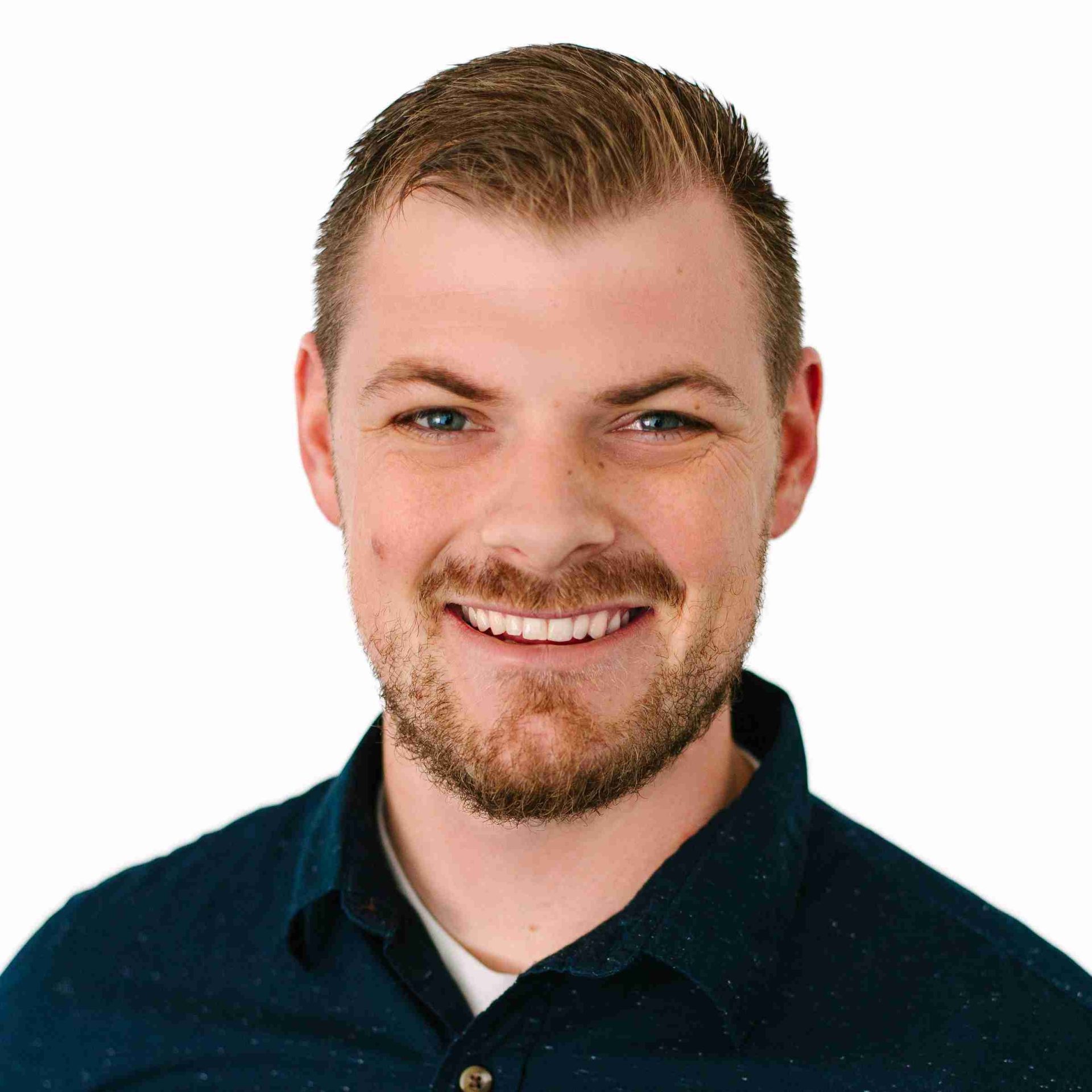
Dr. David Carr
MD


Dr. David Carr, a renowned professor of medicine and neurology, discusses the risk factors and treatments for Alzheimer’s and dementia. He highlights that primary insomnias associated with neurodegenerative brain diseases can accelerate brain decline. The lifetime risk of Alzheimer’s in the mid-50s is 10%, rising to 30% with a family history. He emphasizes the importance of early diagnosis through biomarker tests like amyloid PET scans. Preventative measures include a healthy lifestyle, B12 supplementation, and medium-chain triglycerides. Recent treatments include lecanemab, which slows disease progression. Dr. Carr also stresses the importance of caregiver support and ongoing research.
00:00 Introduction and Background
03:50 Understanding Dementia and Alzheimer’s
09:02 Diagnosing Dementia and Alzheimer’s
13:22 Prevention of Alzheimer’s: Lifestyle Factors
23:40 Modifiable Risk Factors for Alzheimer’s
28:08 The Potential Impact of New Treatments on Alzheimer’s Disease
30:44 Introduction and Personal Connection to Alzheimer’s
33:17 Small Vessel Disease and Dementia
35:26 Current and Future Treatment Options
38:18 Treating Symptoms vs. Treating the Cause
43:30 Exciting Research in Alzheimer’s and Dementia
48:15 Importance of Autonomy in End-of-Life Care
53:08 Tips for Caregivers
58:40 Genetic Testing and Alzheimer’s Risk
01:01:20 Importance of Research Participation
Dr. David Carr 0:00
One of the biggest risk factors for Alzheimer’s disease is hearing impaired. Really, there are so many primary insomnias that are associated with neurodegenerative brain disease, if we don’t diagnose them, I do think that’s going to accelerate the decline for the brain cell
Natalie 0:16
Dr David Carr, MD, who is a renowned professor of medicine and neurology with over 30 years of experience and reputation as a trusted voice in the medical community
Derek 0:25
What type of effect do you think that these medications are going to have in the long term on diseases like Alzheimer’s and dementia?
Dr. David Carr 0:32
What is this white matter? What are the correlates? Is there anything we can do to treat or look at it?
Derek 0:39
When a patient is acting out, don’t get furious, get curious.
Dr. David Carr 0:42
That if your lifetime risk, say, in your mid 50s, of getting Alzheimer’s disease is, say, 10% you have a 10% and you have a primary family member with the disease, your risk is going to go up threefold, about 30%.
Natalie 0:58
Okay, we are so excited to have with us this morning, Dr. David Carr, MD, who is a renowned professor of medicine and neurology with over 30 years of experience and reputation as a trusted voice in the medical community, he has made significant contributions to clinical practice and medical education, advocating for patient centered care and innovative healthcare solutions. In today’s episode, we are going to discuss dementia and Alzheimer’s and explore the latest advancements through Dr Carr’s extensive knowledge. Dr Carr, welcome to the Invigor medical podcast. We’re so thrilled to have you.
Dr. David Carr 1:31
Natalie, Derek, so glad to be here.
Natalie 1:34
Good and a fellow midwesterner. I mean, we are currently in southeast Washington that me originally spent the first 30 years of my life in southern Indiana, and you’re currently in St Louis. Is that correct?
Dr. David Carr 1:44
That is correct. St Louis, MO
Natalie 1:46
I love it. That’s not about two and a half hours from where I grew up. All right, so tell us a little bit about yourself. We we want to cover there’s so much here, and I know that Alzheimer’s and dementia, there’s a lot of there’s a lot of questions surrounding that, and so much research still coming on what causes it and how we can treat it. So we want to get to the meat potatoes here, but we’d love to know a little bit more about you and your background and what got you to this place where you began so earnestly researching and treating these conditions.
Speaker 1 2:14
Well, you bet I was very early on. Through high school and college, I had an interest in long term care, and also dementia and patient care, and a lot of that had to stem with I started off as a CNA, or we used to call them orderlies back in the day.
Natalie 2:33
Oh, that’s right.
Dr. David Carr 2:34
And the nurse is saying, you know, we really need people to come into this field of geriatrics. There’s very few people that do that. And I have to say, 30 years later, that’s still the case. We need to attract more people to the field. But it just felt comfortable. It felt right, and and I ended up getting a position three decades ago at Washington University, and they have had, historically, an extremely strong devotion to geriatrics and especially dementia research and clinical care. A lot of that came from Dr Leonard Berg and John Morris, a couple of my mentors, and that’s followed with Dr Holtzman and Bateman. So there’s just been a sort of a who’s who’s list of individuals that have advanced dementia care, research and clinical care. I got in, I would kind of consider in the ground work, and every few years it’s even more fun. And I just think bringing my skill set, if you will, and my passion for older adults and communication and ability to work with the neurologist, as a geriatrician, I kind of bring a unique skill set to them regarding comorbidities, polypharmacy, issues related to cognition. So it’s been a fun ride.
Natalie 3:52
Yeah, it sounds like it there’s a lot. There’s a lot to unpack there. But as we were prepping for this episode, and I was thinking the direction it’s going. I was kind of imagining who the listeners might be that are tuning into this episode, right? You might, you might have your camp that’s just like lifelong learners loves to dig into things like this and have better understanding. And then I think the other group is going to be people who either A) have a loved one who has been diagnosed or was diagnosed of his past with, you know, dementia or Alzheimer’s and or because they had a loved one in their family who has lived with or unfortunately passed away with these conditions, are concerned about the possibility of of getting Alzheimer’s or dementia themselves right? And so that’s kind of what I was thinking about as prepping for this episode, and who might be listening and what it might be that they want to learn from this episode, because we’re always just trying to equip people with more knowledge so they can live a healthier, longer life. So I would personally like to start with helping our listeners understand what these diseases are. What is Alzheimer’s? What is dementia? And what are the differences between the two? Then maybe some common misconceptions that you’ve seen from people and understanding the differences between these two.
Speaker 1 5:10
Great question, and I’m still asked that every week in my memory clinics. So I think it’s best to start with the term dementia in the lay definition or term, if you will, would be a change in cognition or social behavior or impairment in occupational ability that’s a change from baseline. So in other words, you have cognitive change, we can test for it, and it’s impairing your activities of daily living. So that’s just a general syndrome. Though. Dementia is a group of different diseases. I think people can appreciate that dementia could be maybe from a B 12 deficiency or from medication. So I do think Alzheimer’s disease is one cause of dementia. Now it turns out to be one of the most common causes of dementia, and it’s a specific brain disease that affects the neurons that eventually get inflamed, injured, and we lose them over time, and it can present in a lot of different ways. We always thought historically it was related to short term memory, but we know now that it can present primarily as language, frontal lobe impairment, which can be personality changes, impaired attention, the back part of the brain, visual spatial recognition. So Alzheimer’s, the specific disease dementia, is a syndrome or group of diseases, of which Alzheimer’s is one of them.
Natalie 6:52
Okay, and so if I’m hearing you right, it sounds like dementia can be a precursor to Alzheimer’s, but is not always. Sometimes dementia can be something separate that doesn’t lead into Alzheimer’s. Am I hearing you right?
Speaker 1 7:05
Well, close, so I wouldn’t call dementia a precursor of Alzheimer’s disease. I think we appreciate Alzheimer’s disease changes now with all the different research centers across the globe where we followed healthy, cognitively older adults over time, that there’s this preclinical stage where the plaques and tangles, which are part of the pathology of Alzheimer’s disease, accumulate. Then you get a very early stage where you can test abnormally on your cognitive tests, and then you move into where it’s symptomatic and people recognize it, and in those early stages, we may call that mild cognitive impairment,and that is a precursor, if you will, progressing to impairments and activities of daily living or dementia. Now, not all mild cognitive impairment, basically, somebody who has a change in their one of their cognitive domains, we can test for it, but yet doesn’t have impairment. Not all of those will progress, but we know Alzheimer’s eventually will. So Dementia is a little further along the spectrum. If you look at normal aging, mild cognitive impairment and dementia, I think it’s important to know Alzheimer’s can kind of go through all those different stages.
Derek 8:26
I think that’s super interesting. You know, as you’re talking about this, I think about a something that really that happens very commonly, I think within society, is that, like, anytime someone shows any sign of memory related, maybe even it’s me, like, if I had a short lapse of memory, I’ll say, oh, it’s the it’s Alzheimer’s kicking in, you know? And it’s like, I think that people kind of throw around this term somewhat nonchalantly, but I don’t know, like, in that regard, what would you what would you give or what would you tell people that are just kind of like throwing around these terms in a somewhat nonchalant manner.
Speaker 1 9:05
I think it’s important to have a provider or clinician evaluate the patient with some cognitive changes in clinic so we can weed out just worry. Well, I see a lot of patients that come in whose memory thinking are better than mine, but they’ve had a parent or grandparent with the disease, they’re very concerned, but yet they test great. And so I think you know to determine, is this a mild cognitive impairment? Have we reached a dimensia with etiology? That’s where I think going into a clinician will help, but start with the primary care physician, but many of them aren’t equipped, nor feel equipped, to really make a solid diagnosis, so referral to neurologist or geriatrician or psychiatrist may be in order.
Derek 9:53
So in that regard, how can someone know for certain? Or what diagnostics are used to determine whether someone has dementia, Alzheimer’s, memory related decline?
Speaker 1 10:04
So great question, Derek and I think the whole field is exploded now with what we call the Alzheimer’s disease biomarker test. Prior to them coming on the scene, Alzheimer’s disease was a clinical diagnosis, and still can be and often is. By the history, the exam, cognitive testing, brain scan, blood work, we can often make a specific diagnosis regarding the disease. But we found out there was a landmark study published a few years back called the ideas study, and they found out that even in a dementia subspecialty clinic, we get it wrong about 10 to 15% of the time. So in other words, somebody comes into us and we say, you know, we think you got Alzheimer’s disease. Further testing showed they didn’t, or we said you didn’t, Further testing showed they did. So certainly, it’s challenging to make a specific pathologic diagnosis of what’s going on in the brain. We could get close clinically, but it’s not as accurate as you’d like it to be, especially if you’re prescribing drugs that target the pathology, like the new drug Lecanemab. So we have additional tests. We have an amyloid PET scan, which is increasingly being covered by insurance, that can rule in or rule out Alzheimer’s disease. Across the globe, there’s lots of blood work tests that are gaining steam, and I think eventually will be covered by insurance companies. And we also have some of the traditional Spinal Tap tests, which are very good and often covered by insurance, to rule on or rule out Alzheimer’s disease. But obviously that’s another step many patients are a little hesitant to take.
Derek 10:04
Yeah.
Speaker 1 10:08
Yeah. Okay. So, when it comes to testing, how early, when doing these tests, can you detect Alzheimer’s? And is there a benefit to being tested at a younger age to see if you have this marker and are going to develop, you know, Alzheimer’s or dementia, and you know, for ways to sort of head it off at the past and keep it from happening? I mean, is that a thing?
Speaker 1 12:22
Yes, so it is a thing. Clinically, it hasn’t arrived yet, because we haven’t figured out giving drugs to people that have the pathologic changes of Alzheimer’s disease but are asymptomatic, will they really help delay the onset and development of Alzheimer’s disease? Those trials are ongoing, okay, and it’s going to be interesting, because, as you can imagine, as the pathology progresses in Alzheimer’s disease, the brain has more and more damage, and by the time you’re symptomatic, you have a lot of amyloid in your brain, and you’re starting to accumulate this other abnormal protein called tau. So jumping in when you have symptoms, it’s going to be hard to reverse some of the damage that’s already been done. I think what we’ve seen so far, we may be able to slow it down a little bit, but trying to stop it or improve it may take much more backing up to an earlier stage. So we can diagnose the pathologic changes before people have symptoms and be pretty confident they’re developing Alzheimer’s pathology. But clinically, we’re not recommending yet that you do those tests until we have some definite drugs that have shown from a cost effective and safety standpoint, you can put off the disease.
Derek 13:44
So we’re, from this point, we’re kind of talking a little bit about preventative measures based off all of the all of the literature that I’ve kind of consumed, it seems like lifestyle factors is actually one of the best places where we can hedge our bet, right? Between diet, exercise, sleep, really, between those three things, there’s a lot of really very powerful mechanisms that can go into this. When we were preparing for this podcast, you know when and when you were talking about amyloid plaques and tau protein. It actually made me think about one of the first interviews Natalie and I did with Dr Richard Johnson, which I don’t know if you’re familiar with him or his work, he talked a lot about how, you know, fructose can really enhance the accumulation of amyloid plaques and tau proteins in the brain, and that by, you know, being cognizant, removing those from the diet can potentially help later on in life. I don’t know, maybe you can touch further into that.
Speaker 1 14:46
Well, I think there are a lot of touted mechanisms for the pathology, not just the plaques and tangles, but how they get there and how they are accelerated. Fructose is an interesting association. The nicotinamide adenine dinucleide or the NAD mechanism. Some people feel diabetes or Alzheimer’s is type three diabetes, where you’ve got so interesting lack of insulin sensitivity, you’ve lost some insulin receptors on the brain cell. Vascular Disease, we know a lot of vascular risk factors, but I think when it comes to some of the healthy lifestyle behaviors, regardless of the touted mechanism, many of them appear to be a winner. You mentioned exercise. Now we don’t know the exact dose effect or the type of exercise, but in general, 150 minutes or more a week appears to be attainable for many older adults, and it doesn’t have to be anything fancier than brisk walking, gardening, pickleball, if you don’t fall and break any bones. We know that’s really a popular one, but exercise is appears to be a winner, and I think not only for prevention, but hopefully slowing the trajectory of the disease. You mentioned, sleep, too much sleep. You know, there are people who get, you know, 10 hours, 11, 12, or only four or five or six, that sweet spot seems to be seven or eight hours. And if you’re not getting that and you’re hypersomnolent during the day, referral to a sleep clinic to determine if you have a primary insomnia would be important, because as we cycle through the different sleep stages, if you’re not getting that deep, heavy sleep, that’s where the brain restores, tends to process out the bad proteins, if you will, the amyloid. So restoring that sleep back architecture could go a long way.
Derek 16:44
So I had a specific question about deep sleep, because deep sleep is associated very closely with growth hormone increases, right? Like that’s when growth hormone kind of really peaks. If someone is wanting to enhance their deep sleep and is doing things to-specifically like cold water therapy or sauna therapy or other things that have been shown to increase growth hormone production, do those enhance deep sleep? And in turn, could they benefit removing of the of these amyloid plaques in the brain, and, you know, helping with Alzheimer’s in the long run.
Speaker 1 17:24
So it’s a really interesting theory, and there’s been a lot written about it in the literature. However, I think for most of the people that are right at the cusp of Alzheimer’s disease or symptomatic, those interventions potentially could be helpful for very early on in the stage. What happens when patients come into clinic and are symptomatic more often than they than not, they actually have primary sleep disorders like obstructive sleep apnea, central sleep apnea, what we call a REM behavior, Sleep Disorder, circadian rhythm disturbances. And I think it’d be unlikely for those interventions that impact growth hormone, that really have a major impact. We have treatments for all those different conditions. So, you know, perhaps early on in the preclinical stages. But I think there are so many primary insomnias that are associated with neurodegenerative brain disease, if we don’t diagnose them, I do think that’s going to accelerate the decline for the brain cell and also increase the trajectory of impaired cognition over time.
Natalie 18:39
Okay, so when we’re talking, since we’re kind of already in, like, what could you do ahead of time? Like, right there’s, I’ve heard a couple of different things, and I’m not going to be able to speak to them at high detail, but I’m guessing if I bring them up, you have probably heard them or done some research on them, one of them being B 12, and one of them being medium chain triglycerides. And, you know, like taking these things and improving your brain health and possibly even treatments for Alzheimer’s and dementia. So what can you say about those two things?
Speaker 1 19:08
Yeah, so Well, a couple of things. First off, B 12 is a very important vitamin for brain function, brain development, the genetic or DNA synthesis, repair. So when you don’t have enough B 12 in your system, the brain cells and your brain your neurons, in general, whether it’s the peripheral or central part of the nervous system, aren’t going to do well. So that is one of the blood tests that we often think is mandatory to check for people that have memory problems, and also might want to be considered for people that are on the proton pump inhibitors. They’re pretty ubiquitous these days, a lot of people have reflux and they take their, you know, Prevacid or other types of medicines, and when you decrease the acid production in the stomach, you also decrease your ability to absorb B 12. Vegans, vegetarians. You know, when you look at the sort of the Reese are the food products, like, you know, fish, meat, poultry, eggs, dairy products. You know, not, not everybody has those in their system. Thankfully, B 12 is a pretty easy test. You could check if you’re below 200 you definitely need replacement, and you may even need it in the 200 to 400 range. And the good news is, if you do replace it, you can prevent either some of the neurological disease, and it also is very important for red blood cell production. You can get anemia. So it is, I think, a very important factor.
Dr. David Carr 20:44
So, you know, the medium change triglycerides have also gained a lot of steam. We know that, you know, fish, fish oil, coconut oil, and many of the healthy oils, if you will, are not only good for the heart, and are good for the brain. In fact, one of our classic nutritional prescription foods, if you will, was called Axona Caprylic triglyceride was the name of it, and it had a little bit of a, it’s a day in the sun, if you will, over a decade, maybe 15 years ago, because they did a small trial. Well, maybe 150-200 people, placebo and treatment group that had pretty much the same outcomes for cognitive stability in Alzheimer’s patients, that some of our medicines, you know Omeprazole and cholinesterase inhibitors, did you know? And the theory goes that our brain is relatively starved for glucose, that we just don’t have the insulin receptors and we’re having trouble getting glucose into the brain cell. And if there’s one area, one food our brain cells loves, it’s glucose, right? I mean, I forget what the percentage of the consumption is of the brain, but it takes a lot of energy to run our neurons. But if you don’t have enough glucose, the second most popular food for brain cells are ketones, and that’s what happens with medium triglycerides, is they get metabolized into ketones, not high levels, like for a diabetic that’s going into diabetic ketoacidosis, About 1/1000 of that level in the blood. But it is an intriguing area. I think, like the supplement area, that unless you had a true deficiency of B 12, just taking it is probably not going to do a whole lot of good. And I I also think it is a big step, you know, just to take coconut oil or take extra fish oil. I’m not aware of any large studies that have shown efficacy. I do believe, though, in a regular, healthy Mediterranean diet, where you’re getting oily fish in a serving or two a week over time, olive oil, you know, has gained a lot of recent press, I think those are great strategies to have, day in, day out, year in, year out, for your diet.
Natalie 23:07
That makes sense to me. Quick question though, B 12, because, like, from what I understand, not all B 12 is created equal. I know my mom is always like, telling me, make sure you get the methyl cobalamin. Is that right? Yeah, so…
Speaker 1 23:20
Again, I think that’s a very good preparation from that standpoint. And most people can get by on taking the pill and but if you’re going to take it 1000 micrograms a day, it’s probably a good dose. Sometimes I see people on 100 it may not be enough, because only about 1% of it is absorbed through the stomach at a very low B 12 level, to the point that you know you’ve got, you know, some peripheral neuropathy and unstable gait, or you’ve got an anemia, you may benefit by the shots, because the shots will replenish it quicker and in a safer fashion than waiting for the supplement.
Natalie 24:00
Hey, I hope you’re enjoying today’s podcast. I just wanted to take a quick break because if you’re listening, you probably know what we do here at Invigor Medical Podcast, but maybe not what we do at invigormedical.com so let me introduce us. At Invigor, we provide prescription strength treatments and peptides for weight loss, sexual health and lifestyle optimization. Every treatment plan is carefully prescribed by licensed doctors and sourced from legitimate pharmacies. You don’t ever need to buy questionable research chemicals again. And bonus, as a podcast listener, you get a 10% discount on your first treatment plan with code PODCAST10 at invigormedical.com Now, let’s get back to today’s episode.
I gotcha, I take mine sublingually, like, melt it under my tongue as well. There’s some great brands out there. But just another thought, my mom’s always like, Well are you taking your B 12 and What kind are you taking? She’s great about that stuff. She’s always like, big on, you know, nutritional healing and vitamins and everything, and so, yeah, I’m really, I’m really grateful for that. Okay. So I was gonna go somewhere else. And now I started talking about B 12, and I got a little distracted.
Derek 25:04
Well, I was gonna ask, so we’re still in the realm of prevention, and I imagine that we’re probably going to move from prevention to the realm of, like, when you actually have it, what are the best kind of treatments, and both for people that are caring for people with dementia and Alzheimer’s, and then also those that are, you know, kind of in that pre stage where they’re, they’re afraid that they may go into it. But while we’re in the prevention stage, you know, you briefly touched on nicotinamide adenine dinucleotide, or NAD+, right? Can you dive a little bit more into what kind of role, NAD supplementation could potentially have in helping prevent Alzheimer’s?
Speaker 1 25:46
Yes, there’s a lot of work. This is an enzyme that seems to have a critical role in cell function, the metabolic pathways, the DNA repair, how the genes remodeled, if you will, the aging mechanisms, immune system. So it, and it is an important pathway for production of energy. So within the cell, we have what we call our batteries, or energy powerhouses, the mitochondria, and they function on this ATP, which, if you will, their fuel and energy machinery which some machinery would just slow down if we didn’t have it. And NAD+ is critical for that. There’s been a spate of basic science, you know, rats, mice, articles that show that supplementation, and there’s several different types of ways to supplement with the precursors of NAD+, and one of them, you know, being nicotinic acid or vitamin B3 In fact, there’s an old disease called Pellagra that was described back years ago the 3 D’s where you get diarrhea, dermatitis and dementia.
Derek 26:58
That sounds terrible.
Dr. David Carr 26:59
And it was. So replacement with nicotine, acid was a cure in that sort of disease, which is rare, but I think the human studies have shown some benefit, exercise tolerance, helping out insulin sensitivity, showing some anti inflammatory effects, but early yet to say you need to go on a supplement. I think those trials should and need to be done in larger studies, but it is growing. But you know, while we’re talking about risk factor prevention, in addition to the sleep and exercise in the diet, one of the biggest risk factors for Alzheimer’s disease is hearing impairment.
Natalie 27:47
Really!
Dr. David Carr 27:48
It’s, actually, in a recent review in Lancet, a few years ago, it had a higher risk than any of the other risk factors. Now we don’t know the mechanism. I mean, I could get into some of the specifics, but it also appears that if you have hearing impairment, and you do get amplification or hearing aids that may decrease your prospective risk of getting the disease. So hearing I think is important, education, community engagement, treating your blood pressure, diabetes, hyperlipidemia, reducing obesity, limiting your alcohol intake, preventing head trauma. I think those are keys, kind of the top 10 list, but atrial fibrillation, a growing risk factor for dementia, so treating that’s going to be important. So some medicines we may get to that in the polypharmacy piece that appear to put you at risk. So I do think, you know, we’ve probably only discovered of the modifiable risk factors. We probably, if 100% you were able to capture risk for Alzheimer’s disease, we probably only have 50% or half of them.
Natalie 29:00
Wow.
Dr. David Carr 29:01
So there’s a lot of room there for science to help us out.
Derek 29:04
You know, it kind of sounds like, you know, cancer is kind of in the same kind of realm where it’s like there’s so many things that can feed into it and that could potentially make things worse. One thing that you touched on, that you kind of brushed over, and I want to dive a little bit deeper into, is the effect of obesity, on Alzheimer’s. And, you know, we’ve, we’ve talked a little bit about the metabolic effect and that kind of a thing. So I want to dive into that, and then also kind of couch in that question. You know, there are new treatments out that are now very, very effective and are very popular. You know, semaglutide, Wegovy, Ozempic, those types of things. What type of effect do you think that these medications are going to have in the long term, on diseases like Alzheimer’s and dementia?
Speaker 1 29:52
We very well may see a reduction in Alzheimer’s disease because of treatment. You know, what’s interesting is, there’s no doubt. The absolute number of Alzheimer’s cases is continuing. We got about 7 million people in the United States right now, probably 13 million by 2050, but if you look at the actual number of new cases per population, they’ve been going down. And the question is, why? And I think because people have been getting their blood pressure treated, they’ve been getting their blood sugar treated, they’ve been on statins for their cholesterol. And I think these midlife risk factors for Alzheimer’s disease, as a society, we’re doing better addressing them. Now we still have pockets in the community, blacks, Hispanics, at higher risk for Alzheimer’s disease. Some of that’s genetic, but some of it’s, you know, environmental, higher risks of diabetes and hypertension and making sure they’re treated and treated adequately for those conditions. But I think it’s a huge area, and these GLP-1’s and these diabetic medicines, I think you’re going to eventually see trials for prevention, for Alzheimer’s disease, or even after people have symptoms. But obesity is a funny thing, because it’s a risk factor in midlife. But what’s very interesting after age 70, obesity kind of drops out as a risk factor for heart and disease and Alzheimer’s disease, there’s this sort of paradox. It’s a little controversial, but definitely, if you’re obese throughout your lifespan, you know, say, 30 through 70, that does appear to be a risk factor. And I do think additional treatment with these medicines could very well decrease the future incidents of Alzheimer’s disease.
Natalie 31:42
My grandmother, her mother, was diagnosed with dementia, and you know, my mother and all her siblings taking care of her, and she lived with my aunt in her last couple of years, and she has since done so much research on Alzheimer’s and dementia and the markers for it, and doing her own kind of testing and some genetic testing to, you know, determine, you know, what kind of risk factor she’s at, and potentially her siblings. And also was trying to just figure out how to best care for my grandmother at the time, who’s, you know, passed back in 2016. So I said, Mom, we’ve got this, you know, Dr Carr coming on, and this is what he does, and what he specializes in, like, Do you have any questions? And my mother sent like, I don’t know if you could see on the screen, this whole long text with questions, and it’s kind of rambling. So I’ve been like, Okay, what do I want to pick from here, mom? But one thing she mentions, she says, any links to LPA lipoprotein? Because that’s something that she’s done some research on. So what do you know about that? And what kind of…
Speaker 1 32:43
There are links to LPA, there are links to LDL, not having enough for the medium chain triglycerides. A lot of these things are also associated with heart. And I often say what’s bad for the heart’s also bad for the brain, the good news is, for most of these abnormalities in, if you will, metabolic path pathways that contribute to obesity and heart disease and vascular disease, is that healthy lifestyle behaviors can really manage those. And you know, with the exercise and sleep, you know, social cognition, interactions, community engagement, you can make some pretty big impacts Now, whether or not that will become the target of future treatment. I am, a lot of my patients are asking to have those measures checked and etc, and I’m deferring to the cardiologists on that one. But I do think that a lot of these pathways are going to be an option for treatment, whether it’s going to be a cocktail and you’ll have to address it in a lot of different areas. You know, time will tell. I can tell your mom’s really in tune here. She’s looking at all the different mechanisms from that standpoint.
Natalie 33:59
Oh my gosh. She mentions one of your favorites, Dr Peter Attia who says LPA is the number one health concern, in his opinion, and reduction of sugars in the diet. She also mentions Eli Lilly doing a huge cutting edge Alzheimer’s drug trial right now. And she also wants to know she was talking about small vessel disease in the brain and and and that being a cause of dementia, and possibly how to treat it. So that’s, that’s, I’m not going to go line by line here, but I feel like those are the high points. Sorry, Mom, that’s the best I can do today.
Speaker 1 34:30
Now you’re doing, Mom’s doing great, and she’s spot on. And see she’s just soaking all these different things in. Yeah, I’m not sure I can remember all those, but I’ll start backwards, because that was the last one that I heard about memory issues. So small vessel disease is not always present, but in most of the MRIs we get of people over 70, we will see these white matter hypertensities that show up on MRI. And if we kind of picture a brain, you’ve got the gray matter, that’s sort of the cortex, where we have a lot of our complex thinking, and then the tracks come in to form the white matter, and that shows up a certain way on MRI. But when you get white matter hyperintensities, you get these areas of the brain that are damaged, not always from atherosclerosis. Most of the climates from vascular disease, but people can have inflammation from rheumatologic diseases, vasculitis, etc. But most of the time in Western society and people that are of advanced age or have high blood pressure, high cholesterol, blood sugar issues, it’s atherosclerosis. So there are pretty strong associations with white matter disease and Alzheimer’s disease and what we call vascular cognitive impairment, or vascular dementia. But we’re also finding out not all white matter disease is the same. So the fluid filled areas of the brain, if you look at the what we kind of call the frontal horns to the front part of the brain, the white matter that surrounds that is very much associated with hypertension, hyperlipidemia, et cetera. And we know there are functional signatures. People will have slower reaction time. They may have gait and balance problems, urinary overactive bladder incontinence, maybe issues related to short term memory, but there’s white matter that occurs, or small vessel disease in other areas of the brain, and this could be from the proteins that coat the blood vessels. We call it cerebral amyloid angiopathy, if you will, amyloid plaques that are sitting in the capillaries and that can show up in different areas on the brain too. So and those have their own sort of clinical correlates, pathologic and or cognitive. So we have a lot to learn. Your mom picked out a very hot area that a lot of people are studying.
Natalie 36:52
She has a gift for that.
Dr. David Carr 36:54
What is this white matter? What are the correlates? Is there anything we can do to treat or look at it, I think that’s the case. So Eli Lilly and other companies now that lecanemab And previously aducanumab, these monoclonal antibodies that target the protein pathologies, it’s become a hot topic of area ay Eli Lilly, and there are at least another 10-12, companies that have these monoclonal antibodies in different you know, phase one, phase two and phase three trials. Donanemab is another one that FDA is looking at right now. I think to me, the most exciting part of this area is we now have tau monoclonal antibodies that are being tested. Now, it took us a long time, over a decade, to figure out on how to target amyloid, how to get rid of it, and how to do it kind of safely, pretty safe. So we’re going to have to go through, I think the same thing with the tau antibody area. I mean, we the trials are there, we’re looking at them, and it may be eventually you’re going to need a combination of both an antibody against amyloid and also one against tau to really stop the disease and or prove it. And, you know, you got to look at the timing, but she’s right. You know, we were pretty close to being on life support for the drug industry and Alzheimer’s disease. It had been so long since we had a drug approved, so many failed trials, and thankfully, there’s still a lot of effort being made in this area. And there’s other targets too, as we’ve talked about, besides just the monoclonal antibodies, which are expensive to make, expensive to administer. But Alzheimer’s is a pretty expensive disease. I think we’re around $350 billion this year and direct and indirect care, and that’s going to be up to a trillion dollars of health care costs by 2050.
Natalie 39:03
Yeah, I’m curious, as you’re talking about these treatments, and if you if you want to go a little bit more into the kinds of treatments that are out there, and what they are and how they work, because I think that’s a kind of good area for us to explore. Next is, you know, are these, what we’re exploring, what’s available right now, or what we’re researching and trying to get out there primarily about treating it as in, like reducing symptoms, or are we we putting a lot of effort into reversing or, like heading it off at the past to figure out what is actually causing this? Because I know sometimes treating a symptom of a disease is not the same thing as treating a cause of the disease. So it’s kind of a weird way to phrase the question, I guess. I’m wondering if the efforts in researching how we can treat symptoms versus disease, are they on the same, like street right now, or they like, kind of separated, and we think what’s causing it is different than what the symptoms are that we can treat? Is this making. Make sense?
Speaker 1 40:00
It is Natalie Ken is great question. But let me back up just a little bit before we jump into the current medication treatments. We often talk about, you know, pharmacological and what’s available. But I don’t want the caregiver to be lost here, and he or she may not, but you know, education, getting information, whether it’s from the Alzheimer’s Association in St Louis, we have another great organization, Memory Care Home Solutions, and I think audience needs to know that part of this treatment is informing people, you know what? What are the, you know, the different types of cognitive domains that have been affected. Where are the impairments from an activities that they did, living point standpoint, what are the resources in the community? So I think that that’s an important part of treatment. But going into your question, we have probably two types of drugs, those that kind of treat the symptoms, if you will, and then those that are disease modifying drugs that are getting at the pathology. So the classic medicines for Alzheimer’s disease we call the cholinesterase inhibitors, which is nothing fancier than an enzyme that blocks the one of the neurotransmitters, or little communicators between the brain cells, acetylcholine, and it helps boost those levels Donepezil or Aricept, glantamine, razodine, rivastigmine or the Exelon patch are examples of those drugs. They can help with some relative cognitive stability six months, maybe a year. And they are kind of our first line agents for people that have cognitive impairment that affects their activities of daily living. I don’t typically prescribe those in people with mild cognitive impairment because the data shows that it’s not getting at the pathology of the brain disease. So it’s a little counterintuitive. People come into my clinic and they’re like, all right, you’re saying I have mild cognitive impairment. You’re thinking it’s Alzheimer’s, and you’re not going to give me an Alzheimer’s drug, and I’m like, No, you’re too good for it. If it progresses to the point you have impairment in your activities of daily living, at that point, we typically prescribe it. Not every dementia expert operates that way, but I think that’s evidence based.
Dr. David Carr 40:06
The other class of drug we prescribe for the symptoms are what we call NMDA antagonists, and those help we’re not quite sure how they work, but we think they protect the brain cell from calcium influx and kind of prevent cell death, if you will. Memantine, or Namenda, is the one FDA drug approved for that now, Memantine isn’t approved for early stage disease. It’s more moderate to severe, but we prescribe that a lot, and a lot of times we’ll add it to one of the conventional agents, like a receptor Exelon, and have dual therapy. These drugs can sometimes help with the behavioral symptoms of Alzheimer’s and with some relative cognitive stability, but eventually people progress. Now, the only drug right now that’s available, at least in the US, is lecanemab lekembi, which was approved about a year ago during this month of May, and that is a disease modifying drug which slows the progression of the disease. Now we can have an honest debate of was it slowed enough to warrant its cost and potential for side effects? Obviously, the FDA and Medicare thought it would, although Medicare did qualify that, and if you’re going to be an infusion clinic and you’re going to give lecanemab, you have to put information into a registry that will go in so Medicare can look, okay, we know, the drug company achieved the results in the study, in a research sample, if we’re going to spend all this money with this drug and potential side effects. Are we achieving the same outcomes in the real clinical world? And I think that was, it’s an extra step for the infusion clinics to have to put all your information or registry, but I think it was a smart one for medicare to do that.
Natalie 44:14
I think so too. I think that that makes a lot of sense to me. It just seems like there’s so so much still coming out and being learned about this disease, and I think that that kind of gives me a little bit of hope, knowing that there’s that additional step to kind of track and see what this new drug is doing and how it’s actually affecting people. And maybe the answer is this drug. But I’m curious what research right now that’s coming out or being done about Alzheimer’s and dementia are you really excited about?
Speaker 1 44:43
Well, and these are some of my biases, because I’m involved in some of the clinical drug trials that target the monoclonal antibodies. So I think getting back to the tau antibodies, I’m really optimistic once we figure out the mechanism and we can show in the tau PET scans removal. I’m cautiously optimistic we may actually reach a point where we can stop the disease dead in its tracks. Now, whether that has to be given with monoclonal antibody treatment or not, we’ll just have to see. But there are other mechanisms, there are other pills and other types of areas that people are looking at. So again, I think some of these diabetic agents as they work their way through the pipeline, again, probably more for preclinical or the earliest cusp of the disease, I’m really excited about these metabolic pathways that will help with the drugs. And you know, we didn’t find that statins, per se, once you’re symptomatic, really prevented the decline of Alzheimer’s disease, if you will, but backing up, would a combination of a statin and a GLP one or one of the new diabetic agents-could this be a way to put off Alzheimer’s disease for three or five years?
Dr. David Carr 46:12
Another mechanism that I’m fascinated about is sleep. So the sleep disruption we were talking about, you know, what comes first the chicken or the egg? Are people having neurodegenerative brain disease and they’re not sleeping because of that, or have they had this primary sleep disorder that’s bringing it on? And does it matter? If you can treat the sleep more effectively, you know, maybe you can stop or slow the disease down. We have researchers looking, there’s a new group of agents that I think you can appreciate with melatonin, the levels come up at night, and the orexin is a hormone that comes down, and then that starts coming up to wake you up during the night, while your melatonin levels go down. So there’s a lot of these new agents that block erects and really help for sleep maintenance. And Suboxone is one of those balsama. But there’s research looking at, how can we modulate sleep, get people a good night’s sleep, a quality sleep that helps restore the brain? Maybe it’s through the, you know, growth hormone levels, maybe it’s more through reducing amyloid from accumulating, but I think there’s a lot of benefits. And I think another area of research is exercise. And when you look at exercise that combines cognitive ability and physical activity, ballroom dancing, square dancing, you know some of these. You know maybe racquet ball sports where you’re having to think cognitively and also be active. I I’m waiting for a randomized trial on again, you’re going to have to have pretty healthy participants. You’re not going to take somebody who’s frail and 90 years old. I still think, you know, we jump to drugs, but I still think there’s a lot to be done. I was like the finger trial, which I think was from Finland, where they looked at exercise and diet in an older group and found that it slowed the incidence of Alzheimer’s disease. I think we can do this, and it doesn’t necessarily have to be medication.
Derek 48:29
Yeah, well, you know, I think that a big part of that. And you know, you’ve talked about how the the occurrence of these diseases is going down, I think a large part of that is because of really good educational resources that are prevalent. That’s a big part of what we do here at a bigger medical is we’re trying to get the good information out to people so that way they can act early and prevent these things from happening. I think that just taking time into consideration, there’s another huge part of dementia and Alzheimer’s that I really want to make sure that we give enough time, and I think that’s caring for people with dementia and Alzheimer’s. Personally, you know, something that you and I share. I also started my career path as a caregiver at a senior living facility, and I saw firsthand the type of things that can happen with people that are struggling with these diseases and how profoundly it affects families. I’ve done a lot of spend a lot of time thinking, and there’s actually one book in particular that I wanted to bring up by a guy named Atul Gawande, who wrote the book Being Mortal. And I think that probably the most profound point I took away from that book is that if our lives are a story, stories, the end of stories matter, and having autonomy and the ability to to control our lives, regardless of life circumstances, is incredibly important. And so in that regard, what type of advice would you give? Or to caregivers, or to someone that is, you know, in the early stages of dementia or Alzheimer’s, to say like, this is how you can reclaim autonomy in your life, or this is how you can give the person you’re caring for autonomy towards the end of their lives. That’s
Speaker 1 50:14
great. I read that book too as a phenomenal read, so really, we can recommend it, obviously, to 100% the audience. Yeah, so the caregiving is so a couple parts here is, is the caregivers obviously need some help and attention, but how can you yourself as a patient that is wanting a say and as you’ve losing faculties and your ability to function. How can you prepare for that? I think you know part of it has to do with having somebody in your corner, whether it’s a spouse or an adult child. And unfortunately, some of our patients, you know, the family situations aren’t good, and it’s a very lonely disease if you don’t have somebody with you, but if you’ve got a spouse or a partner, an adult child, somebody that will listen to you, you can set up a lot of things to for that control and and you can talk about, you know, shared goals When it comes to, you know, things related to ICU care and breathing machines and feeding tubes and some of those discussions are, you know, in more advanced disease, but we don’t know what the next day or month, next month will bring. So being able to talk about that, where you want monies distributed, Living Will an elder law attorney, I think is good. Re discussing your healthcare goals and what you see for yourself. A lot of people with early disease are still very capable, very functional, and they’re going to want everything done and full court press. But as people progress through the disease, their desire will become a lot less to have some of these technologies and things done and having those discussions up front. I can’t tell you now how many times I’ve had family members say I talked with my mom. She would not want this done. She wouldn’t want this. She would want this. Those discussions are much more common now. 30 years ago, I don’t know what mom would have said or dad.
Dr. David Carr 52:22
So I do think education, like the programs you’re having, are very important. A lot of people have, you know, elder law attorneys, estate planners, to make sure those things are taken care of and then revisited every few years. It gets a little complicated when you have people coming in and out of marriage with all the legal and financial obligations with that. Some of my toughest cases in clinic are when you’ve got the adult children and spouse from a second or third marriage locking horns and, you know, trying to figure out what’s best for the One. So I think those are important, open discussions to have with family members, often hard ones that are key. I can’t say enough about the Alzheimer’s Association. There’s also gerontological care managers in the community that specialize in caregiving. And there’s adult daycare and circumstances which are good. You know, there’s respite care in the home. Some of the long term care facilities will allow for assistance, caregiver education’s huge. Alzheimer’s Association, the book, The 36 Hour Day, is kind of the Bible, if you will, information that people can use. So I think getting things out, getting them in writing, and being very transparent is important. And a lot of times those things are buried and they come out, and it’s hard to get them fixed when those discussions haven’t been made.
Derek 53:51
Yeah, you know, two pieces of advice or not, or actually, when I when I was receiving training as a caregiver for being able to help patients with these diseases, two, two phrases that have always stuck with me. Well, not phrase, there’s one phrase and then one strategy. The phrase is when, when a patient is acting out, don’t get furious, get curious, because oftentimes the them acting out is a is them being able to express something that they couldn’t express in any other way, right? And so being able to say, Okay, what’s actually going on here? What’s, what’s a deeper issue. The second thing is, like, if, if they’re in a alternate reality in their heads, right? Like, for example, there was a time when a lady was like treating me like I was a bellboy at a hotel. And the advice was, instead of trying to correct their way of thinking, just really quickly put on the reality that they’re seeing and try to kind of go with it because and it makes things just so much smoother for them. And it might be a little bit weird in some cases, and, you know, obviously don’t do anything that’s, you know, against your values, or anything like that. But like, but really trying to make it as coherent and as smooth as possible, and not try to be as not jar them out of their reality. Say, This isn’t right. This isn’t true. But really going with that, what, what can you speak to to those two concepts.
Speaker 1 55:21
Those are two great points. Let me just piggyback on both of those, Derek. So one has to do with, you know, the behavioral symptoms, and trying to treat them and figuring out the reason behind them. Alzheimer’s Association does a lot of work around this, and they have caregiving books to talk about, but you really need to problem solve for the behaviors. A lot of times we say it’s just dementia. We have a little mnemonic, the Drano mnemonic, D, R, N, O, D is sort of to describe what the symptom is. R is the reason behind it. And then you know, N is for non ordering medicine. And finally, you get around to ordering medicine, that’s your last resort. Yeah, and reasons behind behavior. Sometimes I’ve had patients that have ended up they’re agitated, they’re angry. You get around to examining them. They have gout. Nobody’s picked it up, you know, you got to treat their pain. I had another patient who I was getting phone calls behavioral problems in the nursing home. I was prescribing an anti psychotic, and they were getting worse, not better, and when I got out to examine them, I had put them in urinary retention from the drug, and they were uncomfortable because they weren’t able to empty their bladder. And they all sound like silly things, but these things happen all the time. You have to problem solve with these behaviors. I think you know to really make sure things are good from that standpoint. And I think I like the Be curious from that standpoint. What was your your second?
Derek 56:58
It was, it was to, if someone’s like, going through an experience and and it’s not aligning with reality, to not try to, like, bolt them out of it, but really just try to as much as possible enter into the reality and just go with it.
Natalie 57:13
And be with them.
Derek 57:14
And many people will do that, and some people will call it therapeutic fibbing. There’s different names for this, but I found, for most of my caregivers and most experiences, is that, rather than lock horns, go along with it, you know, you can’t sacrifice safety, and if it’s going to put you or the person in a situation that’s untenable, you may have to confront. Give you an example, my dad, who’s got Alzheimer’s disease, he’s at a nursing home, and in the middle of the state. My sister’s here in town, and he thinks he’s back in his days refereeing. He’s he’ll get up in the morning and says he has to leave. He’s got to go do a football game due to a basketball game, and the staff have all these litanies of excuses as to why he doesn’t go, they don’t argue with them. They go, Well, you have one, but it’s not today, it’s tomorrow or it’s snowing. Game’s been canceled. Well, you have to come up with these different ways to deal with it and to be creative. One of my favorite stories was true, and I encourage your audience, if they have somebody with behavioral problems, please attend those Alzheimer’s Association peer peer groups that you come together to solve problems. I had a patient who continued to drive was having accidents. The spouse called up, and they didn’t call up. They actually gave this discussion at a pure group meeting I attended and I but I thought, had she called me, I probably would have prescribed some medicine for the behavior. But instead she said, Well, you know, he needed to stop driving. I realized he just needed the keys. So I took his keys and I just filed down the ignition key so he could still keep his keys. He wanted to hold him, but he’d go out and start the car, and he’d come back in and say, Honey, I can’t start the car. She goes, I know it’s broken. I’ll get around to fixing it. And of course, with this short term memory, he would forget. And eventually he stopped asking. We drive, but he kept his car keys. I never would have thought of
Natalie 59:21
Right.
Dr. David Carr 59:22
You know, your discussions can really help problem solve.
Natalie 59:26
Yeah, oh my gosh, we’re coming close to an end. I just wanted to see if you would touch really quickly on, because I think this is something, a name in Hollywood that’s become associated with the with the disease Alzheimer’s. Chris Hemsworth, who, you know, was tested and showed a genetic predisposition to the disease, and how it was this wake up call, and he’s been doing all this stuff for like brain health. What are your thoughts on that, on doing the testing for a genetic predisposition, and what comes after that?
Dr. David Carr 59:53
Right? So complicated area and also a little bit controversial. First off, people should realize that late onset Alzheimer’s disease, you carry a little bit of risk with family, but it’s not an absolute risk. There’s a rare form of Alzheimer’s disease, less than 1% which does have what we call a familial pattern of inheritance, kind of like Huntington’s disease, where if you get even just one of these alleles or chromosomes from mom or from the affected parent, you will get the disease. But that’s very rare. Most of it is late onset. And what I like to tell people is that if your lifetime risk, say, in your mid 50s, of getting Alzheimer’s disease is, say, 10% you have a 10% chance, and you have a primary family member with the disease, your risk is going to go up threefold, about 30% so that may get your attention, but I can flip that around and say you got a 70% chance of not getting the disease. So yes, you’re at risk, but odds are, unfortunately, cancer, stroke, something else is going to come along. So I don’t want people to be overly worried, and I think most authorities right now and experts consensus in the field would say not to check genetic tests is that there’s no test that shows an absolute amount. There is the APOE test, which can show your susceptibility to Alzheimer’s disease, but we don’t have any drugs to target. It wouldn’t affect treatment, so I would not recommend that patients or family members of the patients to check. Now, there’s an exception right now clinically, And that is, if you’re going to get lecanemab, we know this monoclonal antibody for treatment, that there’s a higher risk of side effects depending on your ApoE genotype or genetic profile. So in that situation, we will do genetic testing to determine your risk for taking the disease. But other than that, I think those are best done in research settings, and that may change over time, but I think that would be my advice.
Natalie 1:02:09
Okay. Thanks for speaking to that. I just know that that was, that’s kind of been, like, it was a big thing, whenever it came out that he’d done that, and everyone’s like, Oh my God. And then they’re like, do I? Should I do that? My mom has Alzheimer’s, so thank you for taking a moment to speak to that. And we are definitely coming up at the end of our time. It’s been, I’m I know there’s so many other things that we could cover here, but before we’re done with you, is there, is there any final thoughts that you want to impart to our listeners?
Dr. David Carr 1:02:33
No, I just think, just to be very supportive, if you have an opportunity to participate in research, we still believe the better drugs are yet to come, and I just want to shout out to those volunteers we have for longitudinal projects that come in and get their tests, those that participate in drug studies, we need You because even if you participate in a study that doesn’t show success, you are paving the way for informing science and helping us fight the next generation. I do think the next generation of drugs will be just that much more powerful. So I think I would end in a in a plea to those that have interest and the bandwidth to participate in the science, please do.
Natalie 1:03:21
I love that.
Derek 1:03:21
Well, Dr Carr, I just want to say thank you for joining us here on the on the show, but more importantly, for the incredible work that you’re doing and for the studies that you’re participating in. Because not only does it take a lot of bandwidth for the volunteers, I’m sure it takes a lot of bandwidth for you to dedicate your life to this cause. So I want to express my appreciation to you and for the work that you’ve done.
Dr. David Carr 1:03:42
Well thank you for that. Natalie and Derek, it’s been a blast. We’ll do it again.
Derek 1:03:45
Pleasure.
Natalie 1:03:46
All right. Thanks so much. Dr Carr.
Dr. David Carr 1:03:48
You bet.
Derek 1:03:49
Thanks for tuning in to the Invigor medical podcast.
Natalie 1:03:52
If you enjoyed today’s episode, you can support us by liking and subscribing.
Derek 1:03:56
Your feedback matters, so feel free to share questions for future episode ideas in the comments section.
Natalie 1:04:00
For more information about our prescription strength treatments for weight loss, E.D. and overall wellness, all from qualified doctors and reputable pharmacies, visit us invigormedical.com and don’t forget to use code PODCAST10 for a 10% discount on your first treatment plan until next time, stay well you.