
Popular weight loss plans today include various diets (e.g., low-calorie, low-carbohydrate [keto and Atkins diets], and low-fat diets), exercise regimens, and special eating plans like intermittent fasting and portion control. Despite the statistics on the number of dieters in the U.S., 80% of those who lose a significant amount of weight will not be successful at maintaining the weight loss for 12 months.¹ But recently, a game-changer entered the dieting arena. What are these peptides for weight loss, and how effective are they at promoting long-term weight loss?
Table of Contents
What Are Peptides?
Natural amino acids, known as peptides, are essential for building muscle, repairing tissues, and regulating hormones in the body. But the benefits of natural peptides do not stop there since they can also help you lose weight via several mechanisms, including:²
- Enhancing metabolism levels to boost calorie-burning
- Improving the production of hormones that influence weight loss
- Boosting human growth hormone (HGH), which stimulates lean muscle growth
- Transmitting signals to the body to burn fat in fat cells before burning calories from glucose
- Influencing blood sugar levels
- Decreasing appetite
- Slowing stomach emptying, which causes a feeling of fullness

What Are Peptide Drugs?
Peptide drugs were first developed to treat diabetes because they lower blood sugar, but people began noticing how these medicinal weight loss peptides helped them lose weight. One group of drugs—glucagon-like peptide-1 (GLP-1)—results in dramatic weight loss.
However, successful weight loss from taking a peptide for weight loss can be influenced by several variables such as:
- Type of diet
- Lifestyle changes (e.g., diet and exercise)
- Personal health history
- Response to the medication
Best Peptides for Weight Loss
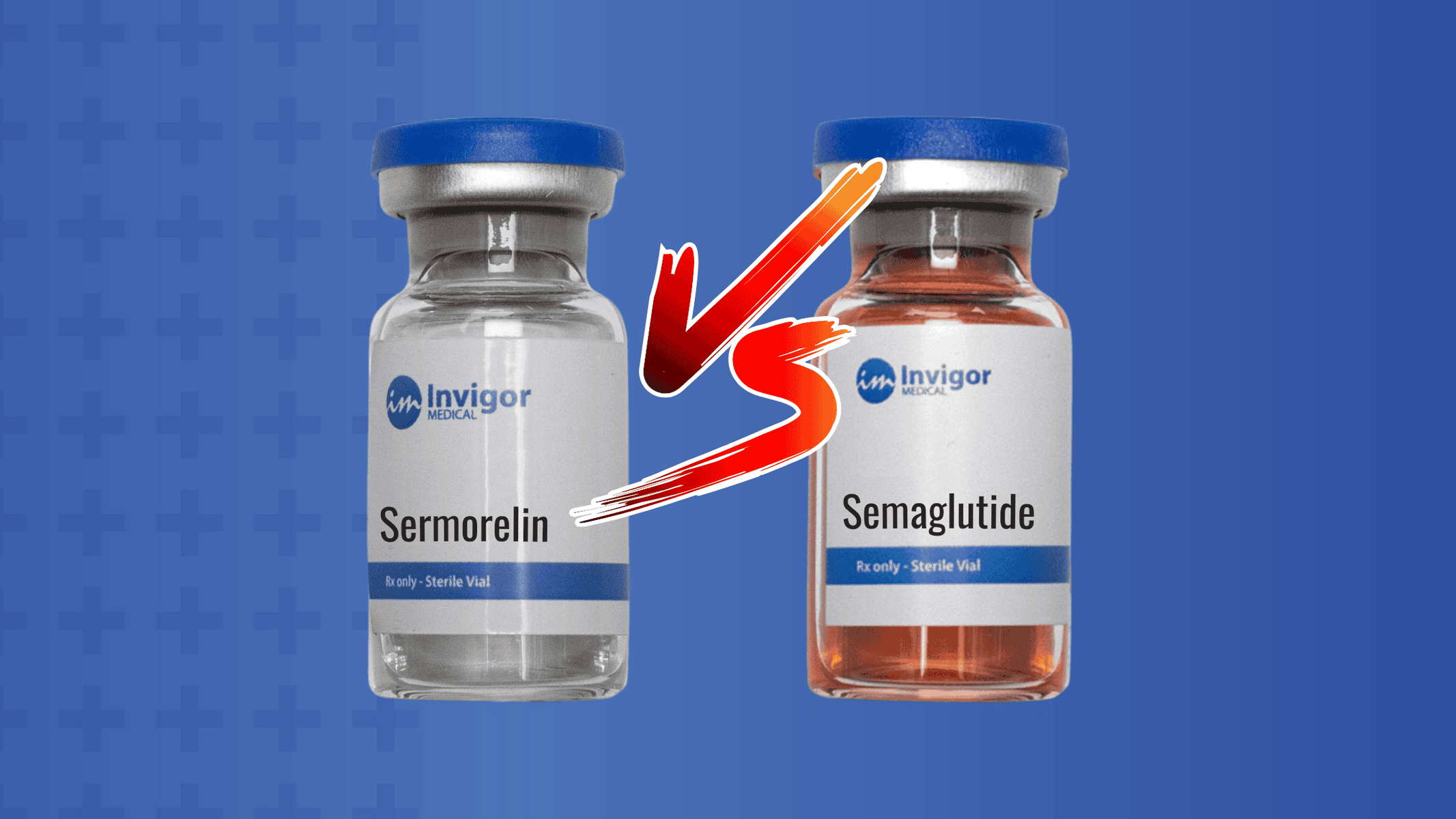
Semaglutide: A GLP-1 receptor agonist originally developed for type 2 diabetes, semaglutide is now widely used for obesity treatment via weekly injections. It lowers appetite, increases satiety, and improves insulin sensitivity.*
*Improved insulin sensitivity allows the body’s cells to more efficiently utilize glucose, lowering blood sugar.
Liraglutide: Another GLP-1 receptor agonist, liraglutide is approved specifically for weight management. As a once-daily injection, it increases satiety, curbs appetite, and enhances insulin sensitivity. Liraglutide has been shown to help maintain weight loss for up to a year, with peak effects around week 60.⁴
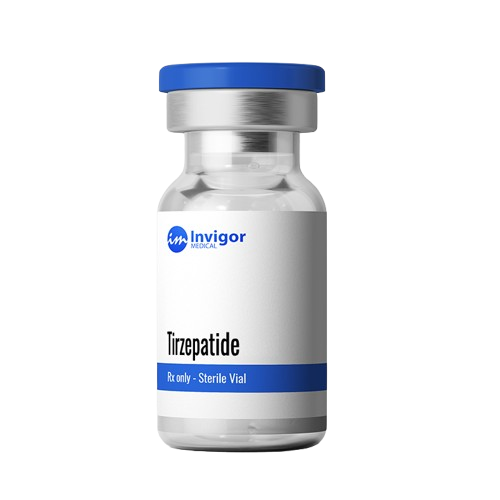
Tirzepatide: A dual GLP-1 and GIP receptor agonist, tirzepatide is administered weekly and used off-label for obesity. It helps suppress appetite, boost satiety, and improve insulin sensitivity.

Safety
GLP-1 receptor agonists such as semaglutide, liraglutide, and tirzepatide are generally well tolerated, but they do have important safety considerations.
- Contraindications: Do not use if you or a family member has a history of medullary thyroid carcinoma (MTC) or multiple endocrine neoplasia syndrome type 2 (MEN2).
- Pancreatitis risk: Use caution if you have a history of pancreatitis. Report any persistent or severe abdominal pain, especially if radiating to the back.
- Gallbladder health: Monitor for gallbladder-related symptoms such as upper right abdominal pain, nausea, or vomiting, which may indicate gallstones.
- Common side effects: Nausea, vomiting, diarrhea, constipation, and early satiety are the most frequent side effects. These symptoms typically improve over time as your body adjusts to treatment.
- Blood sugar and vision: Rapid reductions in A1c levels may worsen diabetic retinopathy in some patients—periodic eye exams are recommended.
- Pregnancy and breastfeeding: Avoid use during pregnancy or breastfeeding unless explicitly advised by a qualified healthcare provider.
Care Pathway
A structured, medically supervised plan offers the best chance of long-term success with weight-loss peptides:
- Begin with a medical evaluation to confirm eligibility, including BMI assessment and review of any weight-related complications.
- Complete a full medication reconciliation to ensure there are no contraindicated prescriptions or supplements.
- Pair therapy with structured lifestyle support—balanced nutrition, regular physical activity, adequate sleep, and moderation of alcohol intake—to optimize outcomes and sustain results.
How To Get Weight Loss Peptides
To learn how to qualify for a weight loss peptide prescription, consider Invigor Medical, a telehealth and national wellness clinic that offers various GLP-1 receptor agonists. We specialize in telehealth services for weight management, supporting longevity, and sexual health.
Our simple process includes completing an online form, selecting the peptide weight loss program you’d like, consulting with one of our physicians online, and, if approved, having one of our partnered pharmacies send you your prescription and supplies.

Conclusion
If you’re ready to take control of your weight and achieve long-term success, you can buy Tirzepatide through Invigor Medical today. Our dedicated team of professionals will guide you through every step of the process, ensuring you receive the highest quality care and support. With our convenient telehealth services and a proven track record of weight management solutions, there’s no better time to start your journey. Purchase Tirzepatide now and experience the transformative benefits for yourself!
Frequently Asked Questions
Do peptides really work for weight loss?
Some peptides may aid in weight loss by influencing appetite, metabolism, or fat breakdown. However, individual responses can vary, and their effectiveness may depend on factors like dosage, diet, and lifestyle habits.
What’s the best peptide for weight loss?
One drawback of peptides is that their effectiveness can vary widely among individuals. While some people may experience positive results in terms of weight loss or other health benefits, others may not see the same effects. Additionally, peptides may come with potential side effects or risks, especially if used improperly or without medical supervision. It’s essential to consult with a healthcare provider before using peptides to ensure they are appropriate for your individual needs.
Do you need a prescription for peptides for weight loss?
In many cases, peptides for weight loss require a prescription, especially if they are classified as medications or regulated substances. It’s important to consult with a healthcare provider or a qualified professional before using peptides for weight loss.
What are the side effects of using peptides?
Common side effects of peptides for weight loss may include nausea, digestive issues, headache, or changes in appetite. Additionally, improper use or dosage of peptides can lead to more serious side effects or health risks, highlighting the importance of medical supervision and proper dosing.