
When beginning a medication or supplement, it is important to understand how long it will remain in your system. If a medication side effect occurs, knowing the half-life of a medication can help you determine how long the symptoms will last.
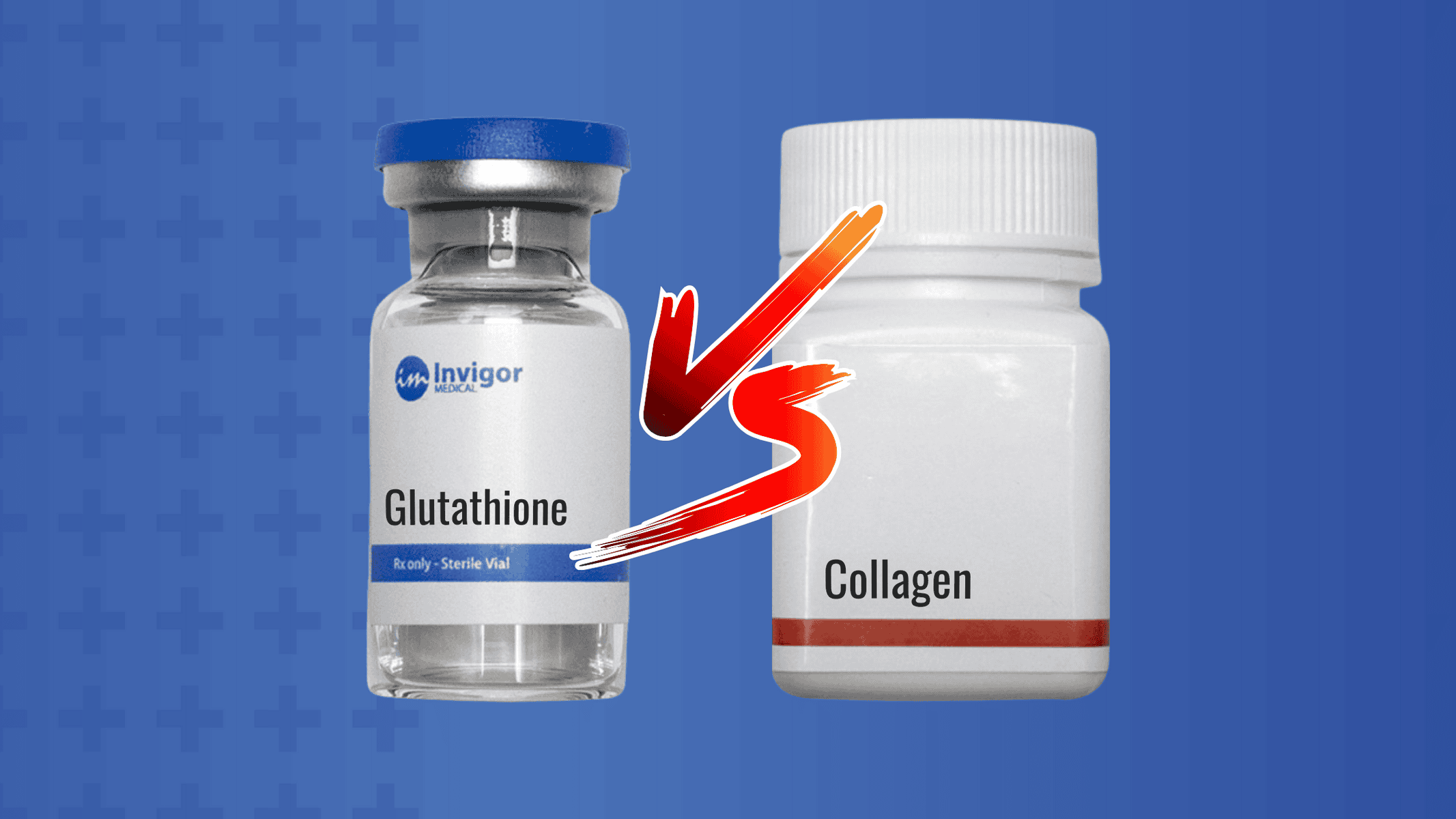
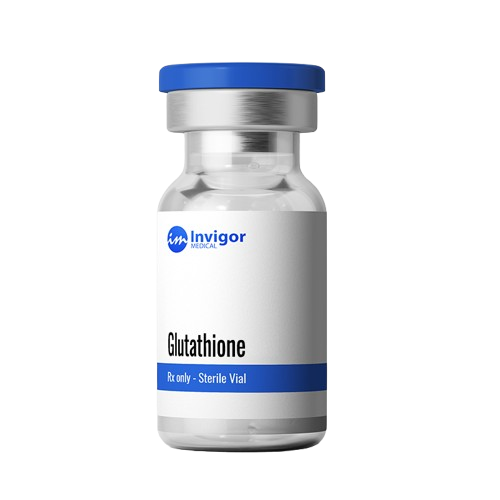
Glutathione, also referred to as GSH, is an antioxidant that occurs naturally in all body tissues. It is a tripeptide composed of glycine, cysteine, and glutamic acid. While your body can produce it, you can also consume its precursors or take a supplement to make up for any deficiencies. Fruits and vegetables and some meats are high in glutathione. It is important to note that the amount of glutathione consumed in your diet does not directly correlate with your systemic glutathione levels.2
Glutathione deficiencies are common as it can be depleted due to stress, pollutants, aging, and chronic diseases. To fill this void, many people turn to glutathione supplements.
Table of Contents
How Long Does Glutathione Stay In Your System?
How long glutathione stays in your system depends on several factors, including how fast your body uses glutathione, the type of supplement you are taking, the part of the body tested, and the route of administration.
The length of time a drug or supplement stays in your system is determined by its half-life. A half-life for a medication is the time it takes for half of a medication or supplement to be metabolized. Depending on the source, the half-life of glutathione is estimated to be between 10 and 90 minutes.1
Depending on your glutathione dose and how it is administered, you can expect half the dose will remain about 90 minutes later. Medication breakdown continues at about the same rate until it is all metabolized.
Most studies investigating how long glutathione stays in your system measure it in the bloodstream or specific organs, like the liver. Glutathione seems to remain active in body cells for much longer, protecting them from oxidative stress.3

What Does Glutathione Do?
Glutathione has many benefits because it is a powerful antioxidant that can help protect your cells from threats such as:4
- Dietary deficiencies
- Sleep deprivation
- Excessive alcohol consumption
- Smoking
- Environmental toxins, pollution, and radiation
- Unhealthy dietary choices
- Infections
- Chronic stress
- Chronic diseases
- Excessive or prolonged physical activity
- Help remove damaged cells

What Are The Side Effects Of Taking Glutathione?
While glutathione is generally recognized as safe (GRAS), there is a potential for side effects to occur. Some possible side effects of glutathione injections may include the following:
- Nausea and vomiting: Glutathione injections may cause stomach upset and vomiting.
- Allergic reactions: If you are allergic to glutathione or any of its components, you may experience a rash, difficulty breathing, facial, throat, tongue, or lip swelling.
- Blood clotting problems: Glutathione injections may interfere with blood clotting, which could increase the risk of bleeding and bruising. A long-term phase 4 study has not found an increased bleeding risk after using glutathione.
- Rash or irritation at the injection site: Irritation from the medication or preservatives can cause injection site redness, pain, or swelling.
- Kidney and liver problems: Taking large doses of glutathione may cause kidney or liver dysfunction.
Pregnancy and breastfeeding: Glutathione supplementation has not been well-studied for safety during pregnancy or while breastfeeding. Because its effects on fetal and infant development are unknown, it’s best to avoid use unless prescribed and monitored by a qualified healthcare provider.

What Conditions Are Treated With Glutathione?
Glutathione deficiency contributes to oxidative stress, which plays a role in several medical conditions. Glutathione is used to treat:
- Aging
- Neurodegenerative diseases
- Liver diseases
- Diabetes mellitus
- Cystic fibrosis
- AIDS
- Heart attacks
- Side effects from cancer treatment
- Chronic obstructive lung disease
- Asthma
- Acute respiratory distress syndrome
- High blood pressure
- Increased cholesterol
- Infertility
- Lupus
- Multiple sclerosis
- Cataracts and glaucoma

What Happens When You Take Too Much Glutathione?
There is not a lot of research on glutathione doses and the effects of taking too high a dose or for stopping glutathione. Glutathione injections are generally recognized as safe (GRAS) so there is unlikely to be a significant effect. However, side effects and metabolism differ for each person. The safest course of action is to take glutathione as prescribed and call your doctor if you notice any side effects.
Conclusion
For individuals seeking effective treatments and wishing to enhance their antioxidant defenses, considering the option to buy glutathione injections could be a significant step towards replenishing this crucial antioxidant. Invigor Medical provides a range of medical products tailored to meet your health needs, offering a practical solution for those looking to mitigate symptoms and support overall wellness. For more information, visit Invigor Medical.