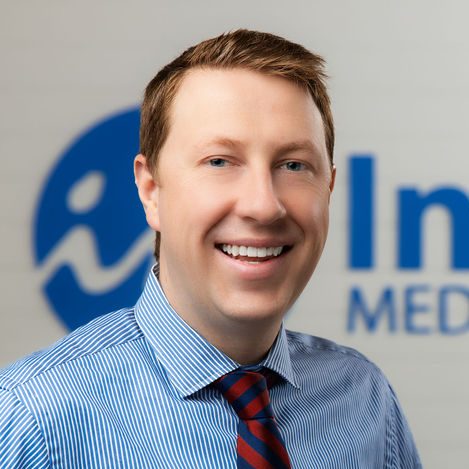
Dr. Andrew Hamilton
DO


In this episode, we delve into the world of peptides, exploring their definitions, mechanisms, and applications in weight loss and overall health. Speakers discuss the importance of working with practitioners for peptide therapy, the FDA approval process for weight loss medications, and the differences between compounded medications, brand-name drugs, and research chemicals. The conversation highlights the significance of understanding the legitimacy of compounding pharmacies and the potential benefits of specific peptides like Semaglutide, Tirzepatide, and Liraglutide in managing obesity and enhancing metabolic health. The dialogue explores various peptides, including PT-141 and oxytocin, and their roles in enhancing libido and overall well-being. The importance of growth hormone and glutathione in health optimization is also highlighted, emphasizing their benefits in recovery, vitality, and antioxidant support. The conversation concludes with a focus on the necessity of working with healthcare practitioners to ensure safe and informed use of peptides.
Chapters
00:00 Understanding Peptides: The Basics
07:09 Peptides and Weight Loss: FDA Approvals and Mechanisms
11:51 Compounding Pharmacies vs. Brand Medications: What You Need to Know
17:58 Exploring Semaglutide, Tirzepatide, and Liraglutide: Mechanisms and Benefits
24:41 Exploring the Versatility of Peptides
32:58 The Role of Peptides in Sexual Health
35:41 Understanding Growth Hormone and Its Benefits
40:20 The Importance of Glutathione and Antioxidants
43:01 Navigating the Use of Peptides Safely
Natalie 0:58
Hello and welcome to the Invigor medical podcast. We are so excited to be back in studio. You maybe didn’t realize that we haven’t been in studio for a few months, because we’ve still been releasing episodes, but for Derek and I, it’s been a few months.
Derek 1:12
Yeah.
Natalie 1:12
So good to see you.
Derek 1:13
It’s great to see you again, yeah.
Natalie 1:14
And if we if you’re watching on YouTube, you can see why we’ve been out of studio, because we have built a beautiful new studio.
Derek 1:20
We’re in a new podcast studio, yeah.
Natalie 1:22
Oh my gosh, it’s so nice. We’re in these really comfy chairs.
Derek 1:24
Nice table.
Natalie 1:25
Super nice table. There’s a pillow behind me instead of the little stool that we used to sit in at the table.
Derek 1:31
Yeah, there was definitely good memories with that down the up and dow.
Natalie 1:34
For sure. The up and down, trying to get the height just right, and then our producer having to come in to adjust the camera again.
Derek 1:39
That’s right.
Natalie 1:40
Yeah. But we’re super excited, and it’s kind of a special episode, not just because we’re back in studio for the first time in months, but also because we have an in person guest, which is super fun.
Derek 1:48
Yeah, we’re absolutely honored to have Dr. Andrew Hamilton in the studio. He’s our medical director, and I’ll let him kind of explain his credentials, and we’re where he’s at. Yeah.
Andrew Hamilton 2:00
Yeah. Thanks so much for having me.
Natalie 2:01
We’re excited to have you.
Andrew Hamilton 2:02
It’s fun to be in the studio.
Natalie 2:03
All the way from Detroit.
Andrew Hamilton 2:04
Absolutely.
Natalie 2:05
Welcome to Washington.
Andrew Hamilton 2:06
Yep. So I’m a family medicine, community physician. My primary occupation is I work in educational medicine. So I work as a core faculty on residency program. You know, I like to say that I treat or I teach future doctors to become good doctors. So I teach residents and I teach medical students. And, you know, doing that, I give a lot of lectures, we do a lot of reading, we do a lot of discussions. We try to stay right on the forefront of what’s happening in medicine. And I kind of carved a path and an interest in men’s health. And through that, I started giving a lot of lectures related to men’s health, and a lot of the topics that we’ll be discussing today, and kind of found you guys, and kind of have been carving my way into kind of, you know, talking about some of the forefront medications related to longevity, vitality, wellness, things like that.
Derek 2:55
Yeah, absolutely.
Natalie 2:55
Things we’re all about here at Invigor Medical.
Derek 2:57
100 %
Natalie 2:57
Vitality, longevity, those are words we use all the time, all the time.
Derek 3:00
All the time.
Natalie 3:01
We should just make T shirts.
Derek 3:02
We should, honestly we should. And I think actually if, depending on when this is released, we may or we may, we may or may not.
Natalie 3:09
We may! Smash the like button if you want a T-shirt.
Derek 3:11
[laughing]
Natalie 3:12
My son would be, my son is such a fan of YouTubers, so he’d be so proud of me for saying that.
Derek 3:17
I actually wanted to say, when we were looking for our medical director and medical spokesperson for this specific role. We knew that somebody was going to be here in studio, and so I was really grilling all of our candidates, and really, like raking them through the coals. And I’ve got to say, I was incredibly impressed with Dr Hamilton’s knowledge of all of our treatments. I was really just going after them. And really, that’s what we’re going to be covering in today’s episode is we’re going to be talking about, kind of all of the treatments that, or a large number of the treatments that we carry here at Invigor medical and really what they can do for our audience. But with that being said, let’s go ahead and just dive right in. You know, in our space, in the healthcare space, specifically, peptides have generated a lot of interest in the in this field and on the internet across across the nation. Can you tell us a little bit more about what exactly are peptides?
Natalie 4:11
That’s such a good question.
Andrew Hamilton 4:13
Yeah, so peptides is a very generic term for something that has such like a broad understanding and have so many different mechanisms of action, but peptides are essentially chains of amino acids, typically between the length of, you know, 2 to 50 amino acids in length. As they expand, they they can wrap around each other, and they can become these things that we call proteins, right? And so peptides, you know, although it’s kind of a newer term in our vocabulary, you know, they’ve been around forever, they’re in our bodies. They’re working with our metabolism. We use them on a daily basis, but we are just now starting to understand what they can do for us, or what deficiencies might, how that might. Infringe upon our life,
Derek 5:01
Yeah, well, and peptide therapies, you know, like we’re getting a much deeper understanding of them now, but they’ve actually been around for a long time, just like you’re saying, obviously, they exist in our bodies. They served us as, like a signaling mechanism for a lot of different things within our bodies, one of which probably the one that’s the most famous, is probably insulin, right?
Andrew Hamilton 5:01
Absolutely.
Derek 5:01
And you know, the treatment of insulin and administering insulin to diabetic patients have been done for almost 100 years now, right?
Andrew Hamilton 5:03
Yeah, and it’s, you know, as we are learning more about, you know, insulin sensitivity and resistance in our bodies. You know, there are different medications that are coming to the forefront of like, you know, maybe better options than just giving us insulin, but without that foundational knowledge about how it works in our bodies and being able to see how, as a human, how do we respond to insulin? That’s kind of how we’ve been able to get to where we are now, with looking at other types of peptides as well.
Derek 5:54
Yeah.
Natalie 5:54
I know I had a container of collagen in my pantry a few years ago that was collagen peptides. So when somebody first said peptides, I was like, by collagen, like, I don’t know, you know, you don’t really have a lot of understanding. And I think it’s a great conversation, because I think that most people who have become familiar ish with, you know, peptide, yeah, I’ve heard that are probably just gonna immediately connect it to the one they’ve heard the most about, which is the weight loss peptide, you know, Ozempic, or what other name you might have heard it used as, right? And then reallynot an understanding that something like insulin is also a peptide, or any one of the other numbers on the list that we’re going to talk about today. So if you’re listening and you’ve had any curiosity surrounding peptides and want more information, I would highly encourage you to continue listening, because we’re gonna really break it down with the help of Dr Hamilton. Thank goodness. So why don’t we, like start right off the bat, right? What’s at the top of the list for us?
Derek 6:49
I think you know, right now, there’s so many people that are interested in weight loss, and specifically, you know, the name brand Semaglutide treatments Wegovy & Ozempic, you know those are FDA approved for the treatment of obesity and diabetes. Maybe we can dive a little bit into the use of peptides for weight loss, and maybe even talking a little bit about the FDA approval process for those medications.
Andrew Hamilton 7:17
Sure. So the GLP-1 agonist, which is the class of medication that all of these fit into. You know, it’s been around for a while, but we have studied it more as related to diabetes treatment.And the way that we actually kind of develop this understanding of it being able to cause weight loss is by seeing in our diabetic patients, kind of the side effects that theyget from the medications. And say, Hey, one of the things that we’re seeing is weight loss, and that’s one of the more dramatic side effects that can be seen, because it can visually be seen, right? It doesn’t need to be monitored more than you know. Okay? Now my pants are fitting a little bit looser, my T shirts are not as tight. And there are certainly other beneficial side effects that that we are kind of learning about and studying right now for other advantageous uses. But you know, the hot ticket item right now is okay. We know that we’re getting FDA approval for weight loss with these medications. And you know, how can we maximize them to improve our health? You kind of touched on like the FDA approval of them. And yes, you know, there are brand name medications that have that FDA approval. They went through the proper clinical trials with animal testing and with human testing, and they have multiple, multiple trials saying, Okay, for this very specific reason, this medication can be used, and if you’re not using it for this specific medication at this dose, it’s now considered off label use. And so now you’re looking at, you know, medications. Well, when the dose of you know, semaglutide or tirzepatide changes, is that now FDA approved, or is that an off label use? And just because you’re using off label, does that mean that it is not beneficial still, or, you know, what are the harms and risks? And when we look at FDA approval, we’re just seeing that, okay, we just don’t have the scientific evidence. We don’t have the data to support, you know, a firm understanding as to, you know, falling which way or the other in terms of making a significant, a statistically significant statement.
Derek 9:25
Yeah, you know, I think bringing up off label prescription, prescribing of treatments, I think, is really important because, you know, a lot of these peptides are fairly new, and don’t necessarily have a ton of studies, but can be prescribed off label. Can you talk a little bit more about that process?
Andrew Hamilton 9:42
So we use tons of different medications for off label use all the time. You very possibly could be taking a medication from your provider as an off label use that that he or she might not even be telling you, like, hey, we use this for, you know, this disease. Or for these symptoms all the time.
Natalie 10:03
So kind of just discretionary from the doctor’s perspective a little bit?
Andrew Hamilton 10:06
Yeah. Really, yeah. And you know, from from the physician standpoint, if you’re discussing the risk versus benefits, and you’re saying, like, hey, you know, we use this medication some time for these symptoms, you know, this might be a good medication for you. Your doctor might not even be saying this is an off label use. But you know, when we can weigh the side effects and the risks and benefits, the alternatives of what we have in place, you know, lots of different medications are used off label.
Derek 10:33
Yeah. 100%. You know, to kind of dive right into this. At Invigor medical we sell compounded semaglutide and compounded tirzepatide. Now these are not the same, absolutely not the same, as Wegovy or Ozempic, and so they arebeing prescribed off label. Part of this is because of the the shortage of the Wegovy and Ozempic shortage, which I don’t know how much you know about that currently, and if you can speak to that at all?
Andrew Hamilton 11:01
Yeah, I know the shortage is really hard for patients to get their medications and really expensive for them to get their medications. You know? The unfortunate thing is, we will have patients on these medications, and they’ll be either making good, you know, great progress with either their weight loss journey or with their their sugar management, and all of a sudden they’ll be cut off. And the answer that the patients typically get is just from their pharmacy. You know, sorry, we don’t have the-we can’t get the medication. And, you know, in our office, we do everything that we can. We work with pharmacists, we try to get them enrolled in different programs that the brand names are offering, to try to getthem their medication at either a cheap or expedited or affordable price. But you know, the honest answer is, if it’s not there, you can’t take it.
Derek 11:51
Yeah, but that really opens up. So when something when a drug is on the FDA shortage list, you know, if a manufacturercan’t keep up with the demand, then they’re essentially required by the FDA to post it on their shortage list, which then allows compounding pharmacies to come in and compound these medications. And in this case, it’s a peptide, so we have compounded semaglutide and compounded tirzepatide, and so because they’re compounded, they’re not technically FDA approved, right?
Andrew Hamilton 12:20
Correct.
Derek 12:20
But that doesn’t necessarily mean that their safety or efficacy isn’t, isn’t, you know, there’s, there’s risks and there’s benefits to anything. And so if a practitioner wants to prescribe this medication off label, they’re totally qualified to do so.
Andrew Hamilton 12:34
Yeah. And so usually, when it comes from the provider, it would be more of a recommendation in terms of, hey, you know, I can’t get you your brand name, you know, I can’t necessarily send you straight to this pharmacy, but it might be something that you want to look into if you don’t want to be, you know, off of your medication. You know, a lot of these companies do have the providers that are able to talk with the patients and then kind of make that transition for them. But I think the biggest thing that really comes from it, when you have, when you’re grabbing that medication from like the compounding pharmacy, is what it really is, is it’s more work. It’s more work for the provider, and it’s more work for the patient just to understand where they’re getting it from, understand the risks from, where they’re getting it from, and making sure that they have a good understanding that they’re getting it from a reputable compounding pharmacy. Because, you know, the the compounding pharmacies, there’s a lot of different kind of, like, tiers of like, how the FDA, or if the FDA even oversees the pharmacy at all, and for safety reasons, it’s really important for a patient to ask the questions about the legitimacy of the compounding pharmacy that they’re getting it from, and making sure that, as a physician, you’re an advocate for the patient, and you’re making sure that they’re not doing anything that’s going to create more harm for them than good.
Natalie 13:50
Can I just ask a little bit of clarifying, because you guys are both saying this, because I’m like layman here talking about compounding peptides, the compounding pharmacide. What does that mean? What are we talking about when you’re saying that, comparatively to just like the brand label, the Ozempic, or Wegovy or whatever, and you’re saying and then they compound that. What does that mean? What am I missing here?
Derek 14:11
Yeah, good question.
Andrew Hamilton 14:11
Yeah. So compounding can mean a couple of different things, but essentially it means that a pharmacy is making the medication or providing a medication that for one is not coming from the brand name medication, and two, might be either a change in dose higher, dose lower dose, change in the preservatives that might be in the medication, a way an administration of the medication, you know, providing an oral medication instead of something that’s intramuscular, like an injection.
Derek 14:43
Or even the pen. I think that that’s one of the biggest issues, is the shortage is partly being caused because there’s not enough of those injector pens.
Andrew Hamilton 14:50
Yeah, yep.
Natalie 14:52
Okay, cool. I’m just like picturing in my mind, like the name brand food that I love to buy, and then it’s out of that. And then I go to the store and I find. Something that looks pretty similar has almost all the same ingredients on the label. Yeah, and is, but it’s just not the exact brand that I always get. And I’m like, Oh, this will do. Is that, like too much of a breakdown in separation from what we’re talking about here?
Andrew Hamilton 15:13
No, not entirely, because you are searching for a particular product to have a particular end result, but the two bags of the products that you’re looking at might have nuances. They might have difference. Or they could be, it could be a compounded medication, because it has instead of just one medication, maybe it’s a combination of two medications. So instead of going and buying peas, you’re buying peas and carrots.
Natalie 15:36
Mmm. Okay. Interesting.
Derek 15:37
Actually, in that case, so in vigor medical we offer compound to semaglutide, compounded tears appetite, and oftentimes those are compounded with like, vitamin B 12 or vitamin b6. And so they essentially get an additional dose ofvitamin B 12 or vitamin b6 with their semaglutide. And yeah, that can have an additional benefit as well to the patient.
Natalie 15:55
Yeah. And then the research chemicals are things that are like, now we’re now the level down is like, I decided not to buy any brand at the grocery store and on my drive home, saw a guy in a truck selling what I wanted. I was like, let’s just take this bet, redrawing some good analogies here.
Derek 16:14
Some dude in a garage is like, Hey, I’ve got some great stuff for you.
Natalie 16:18
Grew these peas in my bathtub.
Derek 16:19
[laughing]
Natalie 16:22
No, those aren’t carrots in there too, but, but let’s because, let’s talk about that. That’s something that we talk about as well, right? Because, if we’re talking about advocating for yourself as a patient, for providers trying to recommend alternatives for their patients when they can’t get that name brand that they need, but it’s like, how do you what’s the best way to make sure that you’re not putting yourself in harm’s way by giving yourself something that’s technically a research chemical? What even is, what does that even mean?
Andrew Hamilton 16:49
Yeah, and you know, that’s, it’s, it’s a really hard question. It’s certainly a barrier that you have to overcome as a patient. But maybe asking questions such as, you know, how many patients do you serve? What type of, you know, negative feedback have you received from customers in the past? And that’s one thing that you do have to remember. You know, as a physician, I see him as a patient, and they see themselves as a patient, but to a lot of businesses, they’re not patients, they’re customers. And so you have to kind of be just kind of attuned to is this more of like a profit driven model, or is this really a wellness driven model?
Derek 17:27
Yeah.
Andrew Hamilton 17:28
And, you know, looking into, you know, maybe past lawsuits or things, barriers that the pharmacy has had to overcome. And if you see a compounding pharmacy that’s been around for a long time, and they haven’t really had any issues, and they have a lot of customers, or a lot of patients, you know, that might spark, you know, more confidence than, you know, the guy selling vegetables out of the back of his truck.
Derek 17:53
Yeah, exactly. Well. And to touch on that as well is, you know, like you can go to some of these sites, and they will literally say, Do not inject this into your body. This is a research chemical. And people still do this, and they’re like, my subject has lost however many pounds, and it’s just like, absolutely crazy. But the the other thing is, so like compounding pharmacies to kind of like, dive into that a little bit more. The difference a lot of times, between compounding pharmacies and research chemical facilities is the source of their ingredients and the quality of that source. And so there’s various levels. So you can have, I think the top grade is pharmaceutical grade, and then there’s food grade, or is it human grade? I don’t know.
Andrew Hamilton 18:30
I’m not. I’m-way above my pay grade.
Derek 18:33
There’s grades. So there’s, there’s like pharmaceutical grade, there’s food grade, and then there’s like veterinary grade, or like animal grade. And a lot of times these research chemicals are selling animal grade peptides. And so it’s like, that can have a lot of there’s a lot of stuff laced in them. They source them from, you know, kind of sketchy places. And yeah, Bad News Bears. So.
Natalie 18:57
I love bad news
Derek 18:59
But with that being said, like, maybe, let’s, let’s focus in on specifically, like, semi semaglutide tears, appetite, leroglutide, and how they work specifically for weight loss.
Natalie 19:10
Yeah.
Andrew Hamilton 19:11
Yeah. So the medications, like I said, it was kind of-figured out that they cause weight loss through side effects of the medication. So while they’re trying to manage your insulin sensitivity, it decreases the movement of food through your gut, so it can kind of make you feel fuller longer, not as hungry you might not want to pick up the dessert. It might sit in your stomach longer, and the breakdown is just not as you know, efficient as it might be. And through that side effect of, you know, what you might describe as nausea, your appetites decrease. You don’t feel the need to eat until you’re completely stuffed.
Derek 19:51
Yeah, you know, I feel like in our society as a whole, we are in such an obesogenic environment, where. It’s just…
Natalie 20:00
That’s a big word.
Derek 20:00
It is a big word,.
Natalie 20:01
Good job.
Derek 20:01
Thank you. Thank you. Where it’s so easy to overeat, and where foods are so hyper palatable that it’s like, unless you’re doing something actively, unless you’re to the point where you practically, you know, have to do some sort of elimination diet or track your calories. Or, you know, for people that don’t have the mental capacity, who are already taxed, their willpower is already to the max, and they’re like, I can’t do one more thing. This is such a godsend, right? And you know, some might say it’s a miracle drug, which I’m sure you have plenty of thoughts on, and maybe we can talk more about, you know, why this isn’t necessarily a miracle drug, and how there’s specific things we need to address with it as well. But really it’s such an amazing tool that I think is going to revolutionize the medical field and revolutionize treating obesity.
Right. Well, I think we talked about on another episode, even maybe, or maybe I’m imagining a different conversation, but I was thinking about, you know, for people who grew up in households where there was just always an overabundance of food, there was always really unhealthy processed foods, right? Who maybe have never had the opportunity to be in touch with their satiety cues, right? And so it’s like, I mean, hell, I feel that way just about every Christmas, you know? I mean, for real, though, there’s like a period of a few weeks where I’m like, I don’t remember the last time I was actually hungry. I’ve just been eating so much food non stop.
Because it’sall so delicious, right?
Natalie 21:23
Delicious. And so then I started thinking and wondering, like, gosh, if, what if that was years? What if I’d lived my life that way for years, and to be able to have the opportunity to take something that supports me getting back in touch with what it means to be full and to not overeat, right? I mean, because that’s essentially what you’re what you’re saying these peptides accomplish within the body, right?
Andrew Hamilton 21:47
Yeah. And to kind of piggyback what, what both of you are saying is, the other thing that you know we have to look at is kind of the speed that we live our life right now, yeah. I mean, we are in a very fast paced society, and if you want to go and stuff, stuff your face with food when you’re extremely hungry, well, your brain’s not even going to process that. It’s full before you can get all that food in. And so at, you know, at that point, you know, even it helps you slow down a little bit so that your brain can say, Hey, you are full. You don’t actually need the rest of the food that you normally eat, and I can actually tell you that now.
Natalie 22:24
Yeah, that makes sense to me. And so semaglutide and pterosapatite and liraglutide, they’re all essentially the same peptide. Or what are there differences between these three?
Andrew Hamilton 22:37
So they’re all very similar mechanisms of action between the liraglutide and the semaglutide, they’re both GLP-1 agonists, which I mean, for the sake of kind of a layperson conversation, not super important. That’s just the class of medication that we’re throwing that into. But terzepatide is a GLP-1 agonist, and it’s a GIP medication, so it has an additional mechanism of action that helps provide some of these side effects or symptom management that we’re seeing Okay, so that’s why you know it. We’re starting to see in some of the studies that there might actually be additional benefit to taking tirzepatide, possibly over the other two or just saying in general, that, hey, these GLP-1 medications are great, yeah? The tirzepatide and the semaglutide are both once weekly dosing. So whichever day of the week that you choose every Sunday or every Monday, you know, you inject it and you’re done. The liraglutide is a daily dosing medication. So that would be a daily injection that you’d have to take. And from what, from, like, the earlier medications, the exenatid, they started off as once daily, and now that now we have these once weeklies.
Derek 23:49
Yeah, that’s absolutely phenomenal. You know, there’s also far on the horizon another medication, I think, called reta, or a peptide called retatrotide. I don’t know if you know anything about that, but supposedly it’s gonna be GLP-1, GIP and glucagon, which, to me, is like gonna be crazy. So that’s something just to keep an eye out for. I have no idea when it’s coming. I don’t think anybody really knows when it’s coming.
What’s glucagon?
Andrew Hamilton 24:05
Well, it’s one of those. It’s just one of those. Another active molecules that’s active in our metabolism, and it works against insulin. And you know, in terms of breaking down sugar, storing sugar, building up sugar, and the insulin resistance that we’re seeing in type two diabetes, which is certainly correlated with the obesity epidemic in our country.
Derek 24:35
So there’s a it’s a very fascinating and really like exciting endeavors of science is continuing to push this forward, which is really cool.
Natalie 24:44
Yeah. And peptides have a lot of other uses too, beyond weight loss, right?
Derek 24:48
Absolutely, yeah.
Natalie 24:48
I think that’s kind of what we end up hearing the most about. And I think a lot of people have familiarity with, like those, those name brand GLP-1’s that we’ve been talking about, right? And, and there’s even a lot of judgments around. Surrounding, right? People are like, oh, you know, I see all these people on my Facebook have lost all this weight, and I know they’re cheating or whatever, which, first of all, it’s just awful go to bed, Sharon. For real. But I think that there’s a limited understanding of what peptides are, right, and that there’s so much more beyond just the weight loss aspect of that, right? I’ve heard that there’s even peptides that are good for your sex health as well.
Andrew Hamilton 25:25
Absolutely.
Natalie 25:26
Okay, let’s talk more about that.
Andrew Hamilton 25:27
Yeah, and so. So there’s different aspects. I mean, when we talk start talking about sex health, we are talking about a huge variety of different problems or different conditions or different things that can contribute to your relationship withyour partner. And you know now that our culture is able to focus more on quality of life, rather than, you know, always being in the workplace, always worrying about quantity of life. There are different medications that we can use to help this part of our life, to optimize it. And so, I don’t know if you want to give the introduction, but some of the medicationsthat we’re looking at, you know, are PT-141 you’ve got oxytocin for men. You’ve got the sildenafils, the tadelafils.
Derek 26:12
A lot of great options. Actually, I was gonna say with PT-141, that’s another one of those ones where…
Natalie 26:19
[giggles] Sorry, I just keep thinking of a robot on Star Wars. When you say PT-141, I…
Derek 26:24
[laughing] Anytime we talk about peptides, it’s like CJC, 1297
Natalie 26:27
PT-141 [giggling] I’m trying not to giggle, but I get a kick out of it.
Derek 26:33
You’re just fine. But so PT-141 is actually super interesting because it was initially being studied as a potential, like, synthetic tanning agent.
Andrew Hamilton 26:44
Yes.
Derek 26:44
I don’t know if you knew that.
Natalie 26:45
Tanning agent?
Derek 26:46
Yeah. So, like, where, essentially, you inject, it’s the full name of PT, one for one. Is something called bremelanottide, okay? And so the, you know the key word being in there, Melano-melanin and it affects this part of your brain. I think it’s called the shoot. I’m totally spacing it the pre optic area of the of the brain, but it, they were doing these studies to see if it would make people more tan, and it did, but they found that it had a side effect.
Natalie 27:14
That’s just like we were talking about. There you go.
Derek 27:16
There’s a side effect that they actually then started using it for as the treatment which it made people, like, crazy horny.
[laughing] Tan and horny, I’m ready for vacation!
[laughing] That’s right, that’s right. It’s so, yeah. So it’s one of these things where, like, the peptide was, was initially said, Oh, this looks like it’s, it’s made to make melanin slightly darker and but it caused an entirely different scheme of things, which, actually, when you look-I could nerd out about this all day, which I won’t, because we’ve got things we need to cover. But like, if you look at like animals as they go into the winter, especially like rabbits, that, where their color of their of their fur changes from brown to white. That’s partly due to the actual amount of light in the sky. And when that happens, this is completely TMI for those, these poor rabbits. But when they go from from summer to winter, their testes actually shrink incredibly and then when they go back to spring, because they’re getting more light in their eyes, they actually increase. So anyways, I would imagine that there’s probably some connection between light and tanning and libido. But yeah, the peptide of PT one for one is incredibly powerful. The name brand of that has the same compound is something called Vilesi, and it’s actually FDA approved for post menopausal, most post menopausal women that have hypoactive sexual disorder, I think, is what it’s called.
Andrew Hamilton 28:34
So it’s an it’s FDA approved for pre menopausal hypoactive sexual disorder.
Natalie 28:40
Ahhhhh. But if your past menopause, through it, sorry, ladies, no luck. No, I’m just kidding, sorry.
Derek 28:45
Well, no, this is where the off label of PT-141 is really good.
Natalie 28:48
Right. Right.
Derek 28:49
So like people that are struggling with libido of any age, and really, it actually works with both men and women, right?
Andrew Hamilton 28:57
Yeah. I mean, so there, there are less studies to show, to prove that it works with the men. But that’s so when we when we kind of dissect, you know, men and women as I’m sure you’re all well aware, you know, we look for different things in our sexual life, even though we’re pairing up. And so the studies just don’t correlate the men and the women we look at one group at a time. And we saw that, Hey, it works for the premenopausal women. And now we’re starting to see, Hey, this could provide a benefit in men, especially if you’re looking to improve your libido or get that desire going. You’re saying, hey, you know, I love my partner and I want to be with them, and I’m looking for something a little bit more. I’m just not feeling, you know, as energetically in the bedroom, as I would like to Sure. And this might be a very, you know, good option for those patients.
Derek 29:47
Yeah, absolutely.
Natalie 29:48
What’s the other one?
Derek 29:49
Oxytocin.
Natalie 29:50
Oxytocin. I mean, I know that, like, like, that’s a peptide.
Derek 29:54
Yeah, it’s a peptide.
Natalie 29:55
I would not have thought that oxytocin was a peptide, if, for some reason, so that’s a hormone in my brain. Am I being stupid?
Andrew Hamilton 30:00
Yeah. And so this is kind of where we talk about, like, that umbrella term of, like, you know, peptides can in long enough chains and wrapping around each other can become proteins. And proteins are hormones. So oxytocin is a relatively small peptide. It’s six amino acids in length, you know, known as the love hormone, which might be a little bit of a misnomer because of how much it actually does in our body. I mean, milk let down, uterine contractions during pregnancy. But what we also find out is that it’s a very significant hormone in bonding. So not just, you know, with your partner, with your spouse, but also, you know, Mother-Child or father and child. And, you know, just another indicator that that these peptides, these hormones, just do a ton of different things within our metabolism and within our bodies. And you know, one of those things that we’re starting to kind of look at with quality of life is, you know, it can potentially improve the bonding that we have with our partner as well, which can be directly related to our libido or our sexual health. Yeah,
Derek 31:05
Yeah-oh, go ahead.
Natalie 31:06
No, you go, yeah. I think I’m just thinking for people that are listening, you know, whether it’s weight loss or whether it’s they shift libido or feeling connected to their partner, I just think it’s incredible to have more options that-I, because me, personally, I’ve always been somebody that’s been kind of avoidant of medications, right? And this, like, peptides don’t feel the same to me as medications. When we’re talking about how they operate in the body and what they’re doing, Does that make sense? You know? And so to think about, if you’re, you know, especially as a woman who I’m 38 I’m it technically in that phase, you know, of age where I could start doing pre-menopause, perimenopausal, that kind of thing, right? And so for me to think, like, if I reach a point where I start to feel a dip in my libido or not connected to my partner, to know that there’s options out there to help increase that connection. Because, I mean, like, connection is one of the pillars of life that you know, and vitality is the connection you have with the connection you have with people around you, and especially your partner. If you have a partner, and just like with being, you know, obese and feeling like you’ve tried everything and cannot lose weight, it brings hope. You know that you can, that you can live the life that you that you want to live, not to get all sentimental. But that’s like what I’m thinking about as you’re talking about what these what the the effect that these peptides can have in your overall health and well being.
Andrew Hamilton 32:24
And I think you touched on it, maybe even without realizing you’re touching on it. But, you know, the the these medications might not be the choice for everybody, but it can certainly be tailored towards the individual. And the other thing is that you kind of touch on is, you know, trying other things, you know, making sure that you are living a very well balanced lifestyle, you know, with diet, exercise, and just making sure that you are doing everything you can for your health. There are going to be patients at the end of that that are saying, I’m doing everything and it’s still not working. And this could be an option for them at this point.
Natalie 32:57
Yeah. I think you make a really good point too, you know, because I’ll share, you know, gosh, two, three years ago, I was going through some health issues. I put on like 20 pounds without changing anything in my diet. I had really, really low energy, lots of brain fog, and then I started breaking out an eczema, and it was just crazy. So I went in to get a bunch of testing done, blah, blah, blah, found out I had some food sensitivities going on in a really bad imbalance in gut bacteria. But at the same time, I was feeling this emotional drain because none of my clothes were fitting, and I put on this weight, and I didn’t know why, and so I made a decision to try semaglutide for a period of time, because I knew if I could just see some forward progress, like it was going to take some time to heal my gut and to get things back and balanced, and that in the meantime, for however long that healing took, at least six months of this protocol I was going to do that I wanted to feel like more like myself, you know, because if anybody’s ever, you know, put on 20 pounds or more in a short period of time. It’s a big difference. It feels it just did not feel good, right? So I made the decision to try semaglutide. It was kind of like at the peak for me, of like seeing all over the place. But one thing that I wish that I’d done differently was ask more questions. And the provider that set me up with semaglutide, I didn’t, I mean, lovely person. Really enjoyed working with her for all of the other care that I did, I just didn’t feel like I had a lot of information regarding dosing, regarding side effects and and also tapering off of it, and like lifestyle, right? And so, so I didn’t know that there’s could be, like, a taper off protocol, and that, you know, depending on how you do it, will determine whether or not you gain half or all of the weight back and whatever. So talking about lifestyle choice, if you’re, you know, getting on these these peptides, and not asking the right questions, and not working with a provider who can advise you appropriately, I would just encourage people to do that, because it’s, I wouldn’t say I had to terrible experience, but I know I could have had a better one. And on top of it, I really want to take another peptide that we haven’t even talked about yet. I had confusion on what I was actually taking and what it does in the body. It wasn’t really explained to me. I really wanted semorelin. And so can we talk about that? I mean, just like a little weird segue there, but like, we’ve still got a couple more on the list that we want to talk about for just like overall wellness.
Derek 35:23
Yeah.
Andrew Hamilton 35:23
So, semorelin just since you brought it up and touched on it, you know, it’s one of the peptides that can increase growth hormone and acts on our brains, and it can increase our growth hormone throughout our body. And again, just like a lot of our hormones, growth hormone does a ton of different things. FDA approved to use in children with short stature.
Natalie 35:24
No kidding.
Andrew Hamilton 35:45
Yeah. I mean, you can, you can assume what you do, you have a short kid. They’re, they’ve got some sort of deficiency. You give them growth hormone, and they can bump up in height.
Natalie 35:54
Now and to be clear, because, like, I remember, like, when I was like a teen, like HGH was, like, the big thing with everybody at the gym, that is, like, really bad. But that’s not what semorelin is, right? Semorelin is not the human growth hormone.
Andrew Hamilton 36:05
No, it’s actually like, kind of like an analog. It works in the hypothalamus, and it stimulates, stimulates the pituitary, which is going to release growth hormone. And so it’s kind of like an inducer of it. Its aim is to increase the endogenous or, like the natural growth hormone,
Natalie 36:23
Right. So, rather than injecting HGH directly into your body to the point where your pituitary gland is like, Oh, we don’t need to do this anymore, and then it just dies off, right? Which is why HGH was like, banned, don’t do that anymore. Comparatively, this sends the message to the body to produce and release the human growth hormone, which can be like, I mean, we talk about for kids, right for the use, but let’s talk about it doesn’t the natural production of the growth hormone decrease as you age naturally?
Andrew Hamilton 36:51
Yeah. So those levels decline gradually. And because it does so much in terms of recovering, healing, angiogenesis, which is just a long term that means, you know, like, like, arterial growth and blood supply growth. It can help us recover after workouts. It can help muscle regrow. It can help a lot of broken down tissue, get that blood supply, get that oxygen and the other nutrients it needs for, you know, to for vitality and for longevity and just for endurance.
Derek 37:24
Yeah and the growth hormone can also help with increasing bone density as well, right?
Andrew Hamilton 37:31
Yeah, yeah. So there are a lot of studies that that suggest that that that works as well, and with the other thing that it does is the growth hormone can simulate the liver and make IGF, one which, as we know, helps moderate, like our insulin levels and our our metabolism, our sugar and our metabolism. So it can help with obesity and it can help with diabetes.
Derek 37:52
I’m just thinking about, you know, there’s, as you age, there’s so many things that can go wrong, but like a lot of them, are, you know, osteoporosis and sarcopenia, which is basically just like both of those, is your your muscles and your bones are getting smaller and more frail, and like to be able to preserve your bones and your muscle would be such a godsend for so many older men and women that don’t want to fall down, that that want to continue to remain active for their children and their grandchildren. And I feel like, you know, there’s, there’s an opportunity with these types of peptides that that people that are getting older and older and older can actually get in like, the best shape of their lives, potentially, of like, being able to really, you know, bring this in. And obviously, this has to be, it’s not, again. This is not a miracle drug.
Andrew Hamilton 38:39
No.
Natalie 38:40
Right.
Derek 38:40
You have to, like, put in the work
Natalie 38:42
You’re just going to sit on the couch eating potato chips growing big biceps.
Derek 38:45
That’s right, that’s right. But, you know, I think it’s such a powerful tool, and it’s such an exciting time to be, you know, in this field, and really be able to explore all these things.
Natalie 38:56
Didn’t we have a conversation with a guest not that long ago? I feel like it was semorelin being used in physical therapy for, like, for like, being injected and like, working in the joint or the muscle.
Derek 39:11
Oh, that was a PRP I think.
Natalie 39:13
It was PRP. And we also, we’re gonna have to go back.
Derek 39:16
I think it was Drew Timmermans.
Natalie 39:17
It was drew Timmermans. And we did talk about PRP, but we we brought up semoralin in that episode, talking about the peptides and like the possibility of those things, of semorelin actually playing a role in healing this injury. And so some studies about doing direct injection and indirect injection.
That might have been…
Another Star Wars robot.
Derek 39:37
…another Star Wars robot. And actually, that one’s pretty interesting, and maybe we can talk about that. We don’t currently carry it here at Invigor medical just because there’s kind of, and we talked about this a little bit in the episode with Drew Timmermans, but essentially, FDA is kind of kiboshed it to a certain degree. There’s not a ton of research around it, and so they’re kind of like, we’re we’re not sure what to do about this,.
Andrew Hamilton 39:37
Right.
Derek 39:58
Yeah. But. Yeah. I mean, there’s, there’s lots of other things. And so, you know, we have semorelin, which is great for increasing growth hormone. There’s also glutathione, which is kind of an interesting one, because of all of its components that it’s made out of. Maybe you can talk a little bit about glutathione.
Andrew Hamilton 40:13
Yeah. So glutathione, it’s, you know, known as the master antioxidant. So, so so when we put our bodies under stress, when we go when we exercise, when we break down muscle tissue, when we deplete ourselves of oxygen, we get these things in our bodies called free radicals, which are essentially just molecules that that have an odd number, essentially of electrons, right? It’s having a single electron. But our body doesn’t like that. We like to have them paired up. So we like even numbers, twos, fours. Yeah, we’re really getting into…
Derek 40:48
Deeply, deeply, OCD’s
Natalie 40:49
It sounds like society with rejection of singles. ‘When are you going to get married? You need to get married.’
Derek 40:54
That’s right.
Andrew Hamilton 40:55
So I mean, I mean, we’re really getting into a quantum physics lecture at this point. But essentially, what glutathione will do is it sequesters, or it finds these molecules that have this extra electron, and it binds it up, yeah, so that it can decrease inflammation. It can provide longevity. It can provide vitality. It can help impair our immune system. It can help with DNA repair, just a lot of different mechanisms, in terms of making sure that, like you’re essentially, your body is optimized, yeah. And so the thought is that by supplementing with glutathione, especially as we age, you could potentially be increasing that vitality, or at least keeping it stable.
Derek 41:40
Yeah, that’s absolutely fantastic. And it also has effects on the skin as well. Is that right?
Andrew Hamilton 41:44
Yeah, they say, you know, it improves. Or patients will say they think that it improves their complexion. It takes away dark spots, essentially, things that we might see worsen as you progress throughout life. Either you know, again, it stops them from that progression, or some will even say that they think they’re looking better.
Derek 42:05
Yeah, that’s fantastic. You know, when you when you talk about free radicals earlier, we do trainings here, here at immigrant medical with our staff, and pretty much all the staff know that when I say free radicals, it’s kind of like, they’re like rebel rousers that are coming through like, yeah, free radicals, man. You give me that. They’re just stealing electrons everywhere.
Natalie 42:22
[laughing] I love the visual. I will forever remember what the doctor just said because of your visual.
Derek 42:29
That’s, right And then, and then glutathione is just like this massive molecule that just has tons of extra electrons. You know? It’s like, Mr. Money Bags. It’s just like here man, take this. Free radical is not so radical anymore, because it’s like, Okay, I’ll go feed my family or whatever it’s gonna do. It’s, you know, a little like electron family. But, yeah, I think it’s absolutely fantastic. So we, I mean, we’ve really covered the whole lot of stuff, and we’ve, we’ve kind of jumped again, a little bit on talking about research chemicals. We were gonna kind of talk about that the tail end there. But I don’t know. Like, maybe we can just hit on one more time. Why is it so important to work with a practitioner to get these peptides if you’re if you’re going to seek them, I think
Andrew Hamilton 43:11
the biggest thing that you really need to take away is, you know whether you’re taking FDA approved medication, whether using it for off label use, or whether you’re getting something that you know has, you know, moderate, minimal or no research on it, is that there is risk and there’s benefit for everything. And so when you see those FDA approved medications, or you see these, you know, very well understood medications, it’s very easy for the benefit to outweigh the risk. And so what we really need to look at is we just need to see, you know, what is the risk or the benefit for these medications? How can it apply to my life? And, you know, is there a chance that it could improve the quality?
Derek 43:52
Yeah, absolutely. And as you were saying, that something I was thinking about is that oftentimes, there’s actually contraindications sometimes with these peptides, right? And so if you’re just getting this from a, you know, research chemical website, they’re just going to sell it to you, non discriminantly, and they have no idea they’re telling you don’t inject this into your body. But they also have no idea if you have any contraindications, if you’re taking a medications that’s going to interact with this one, or if you’re doing anything along those lines. So taking a medical intake form, getting that information in front of a practitioner that can review it, can review your symptoms, can say yes, the benefit is going to outweigh the risks, just so that way you’re completely safe. Well, I mean, I guess as safe as you can be with any of these and that you know, you’re essentially getting taken care of in the proper way.
Andrew Hamilton 44:38
Yeah. And you look at some of these companies that provide these medications. And if you really dive down deep into it, and you’re looking at their model of business, that’s exactly what it is. You know, it’s a business model. They might have, you know, their prescribing physician on staff give you the script for the medication, but those physicians are kind of directed to follow their business model for getting the patients these medications that they’re requesting. The thing that’s really special, I think about Invigor in particular, is that here I am on board, you know, I’m not prescribing the medications for you. I’m not I’m not giving any of your patients the medications. I’m here to provide unbiased education. And I think that speaks a lot to a company. When you’re willing to have a physician on staff that’s like, Hey, you don’t have to endorse the products. Just tell us what you know about the products or what we can find in the scientific community, and then let you know the patients help make their own decisions, along with the provider, whether that’s beneficial for them. And I think that speaks a lot to you know, when you are looking for someone to trust, when you’re putting a product in your body, or medication your body, someone that you can look to to at least say, Hey, we’re doing our due diligence to treat everyone appropriately.
Natalie 45:47
Yeah, and even the website has so much material and information and resources, because ultimately, at Invigor Medical The goal is for people to make informed and educated decisions for the best of their health and to help encourage people to be their own advocate and to find alternative treatments if they need them and need help and support in that in that journey, in that search.
Derek 46:08
Well, and that’s a big part of the reason why we do the podcast too. So that way we can get these questions answered. And, you know, a lot of times we don’t. This is kind of our first episode that we’ve really done a deep dive on all of the peptides iwe carry. But like, you know, obviously lifestyle is probably, like, I would say, lifestyle is probably way more important than anything that you take, right? That ultimately is going to be how you’re going to live the rest of your life is going to be determined by what you do on a day to day basis.
Andrew Hamilton 46:33
Yeah and as you’ve alluded to, you know, no drug is a miracle drug, right? So you need to have a well rounded diet. You need to have exercise, right? The, you know, any growth hormone effects not going to work if you’re not actually breaking the muscle down to build it back up. You know, the the tirzepatide and the semaglutide, that it’s not going to work if you’re just putting garbage into your body for the little nutrients that you are getting. And so all of it’s in conjunction with a a well balanced lifestyle.
Derek 47:01
Absolutely.
Natalie 47:02
And it can get you going in the right direction. Sometimes you just need that little boost forward, right? Just so they like, I mean, honestly, that’s what it was for me. It was like, Oh yeah, I’m not stuck here forever. Like things can move in the direction you want them to go. And I think, like I said earlier, just being, for people to have hope for improvement, you know? Yeah, really, that is a gift in and of itself.
Derek 47:22
100% Well, this has been an absolutely fantastic conversation. Is there anything else that you would like to leave our listeners with?
Andrew Hamilton 47:30
You know? Honestly, just kind of we already touched on is just be well informed. You know, do your own due diligence. If you say, if you tell your provider, hey, I want to do some research on this. Don’t just read the first two Google links, you know, talk to well informed individuals, find reputable sources, and make sure that you are making healthy decisions for yourself.
Natalie 47:52
Love it. We’re so excited to have you on board Dr. Hamilton.
Andrew Hamilton 47:54
I’m so happy to be here. This has been a lot of fun.
Derek 47:57
We’re excited too. And he’s going to continue to be a repeat guest. We’re going to bring him back on, and we’ll be able to do deep dives. So if you have any questions specifically that you want to ask. Dr Hamilton, please leave them down in the comments. Also, if you’re interested in starting any of our treatments that we carry, you can get 10% off your first order with PODCAST10.
Natalie 48:13
PODCAST10.
Derek 48:14
PODCAST10 and yeah, well, we’re more than happy to get you started.
Natalie 48:19
Dr. Hamiton, it’s been so much fun having you on today. I’m excited that we get to have you back. Derek, I missed you this summer.
Derek 48:24
Man, it’s been, it’s great to see you, Natalie.
Natalie 48:26
Oh my gosh.
Derek 48:26
It’s so good. I’m so excited to have you back in the studio.
Natalie 48:29
So fun to be back in the studio.
Derek 48:30
We’re gonna be back after a hijinks again.
Natalie 48:31
I was just so giddy this morning telling my boyfriend, I’m like, I get to go be back in the studio today. So super fun. So and thanks for being here for the first one in our new studio.
Andrew Hamilton 48:40
It’s been great.
Natalie 48:41
And remember, yeah, if you’re listening, be sure to just pop on for just a second on YouTube to get a look at the studio. The team here at Invigor Medical has done a really incredible job.